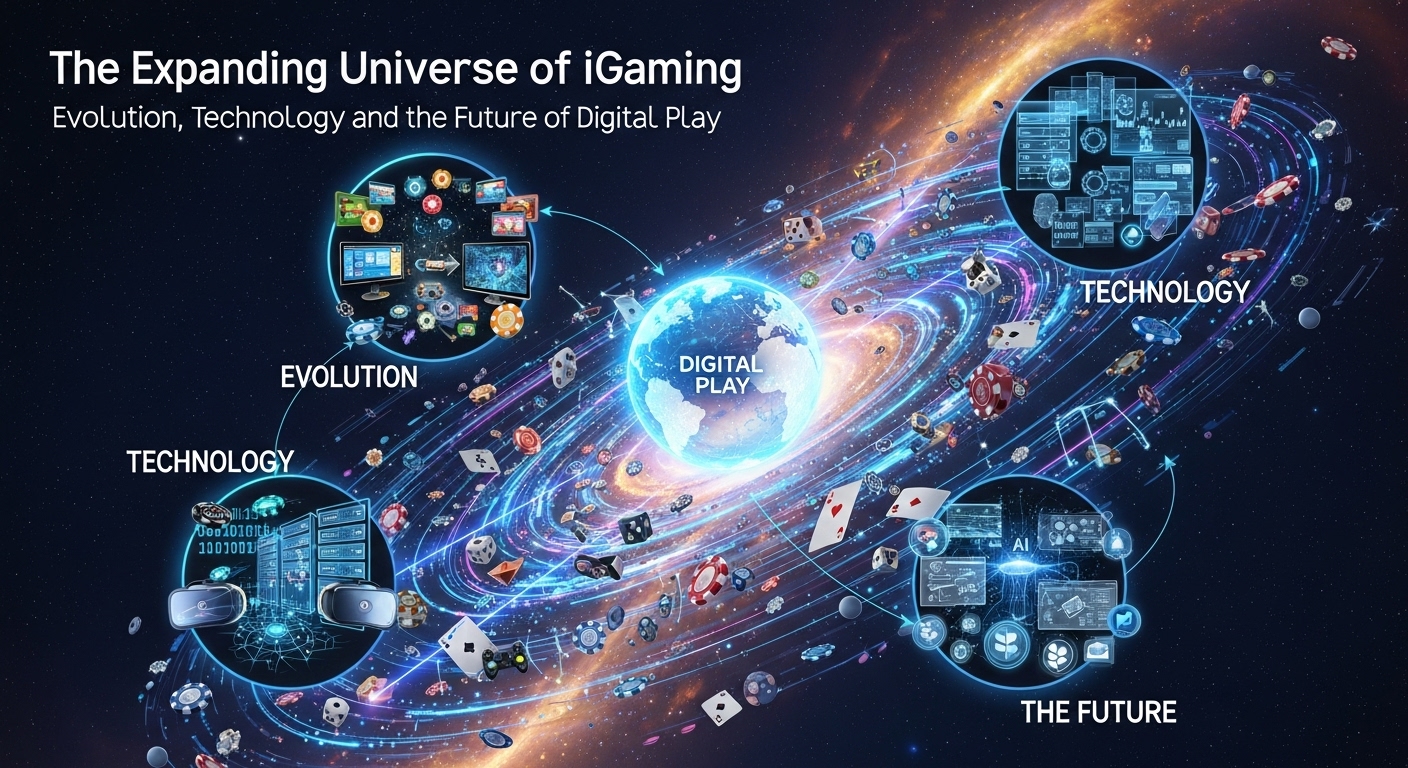






In recent years, iGaming—short for interactive gaming—has exploded onto the digital entertainment scene, transforming the way people engage with games, betting, and online entertainment. What once was a niche market catering primarily to a small audience of poker players, casino enthusiasts, and sports bettors has now become a global phenomenon. With the rise of mobile technology, virtual reality (VR), and live streaming platforms, iGaming has created a dynamic, interactive environment where players can engage with games, place bets, and enjoy a variety of entertainment options from the comfort of their own homes.
This blog will delve into the world of iGaming, exploring its evolution, the different types of games that fall under its umbrella, the technologies that are driving the industry, and the impact iGaming is having on entertainment, culture, and even the economy.
1. What is iGaming?
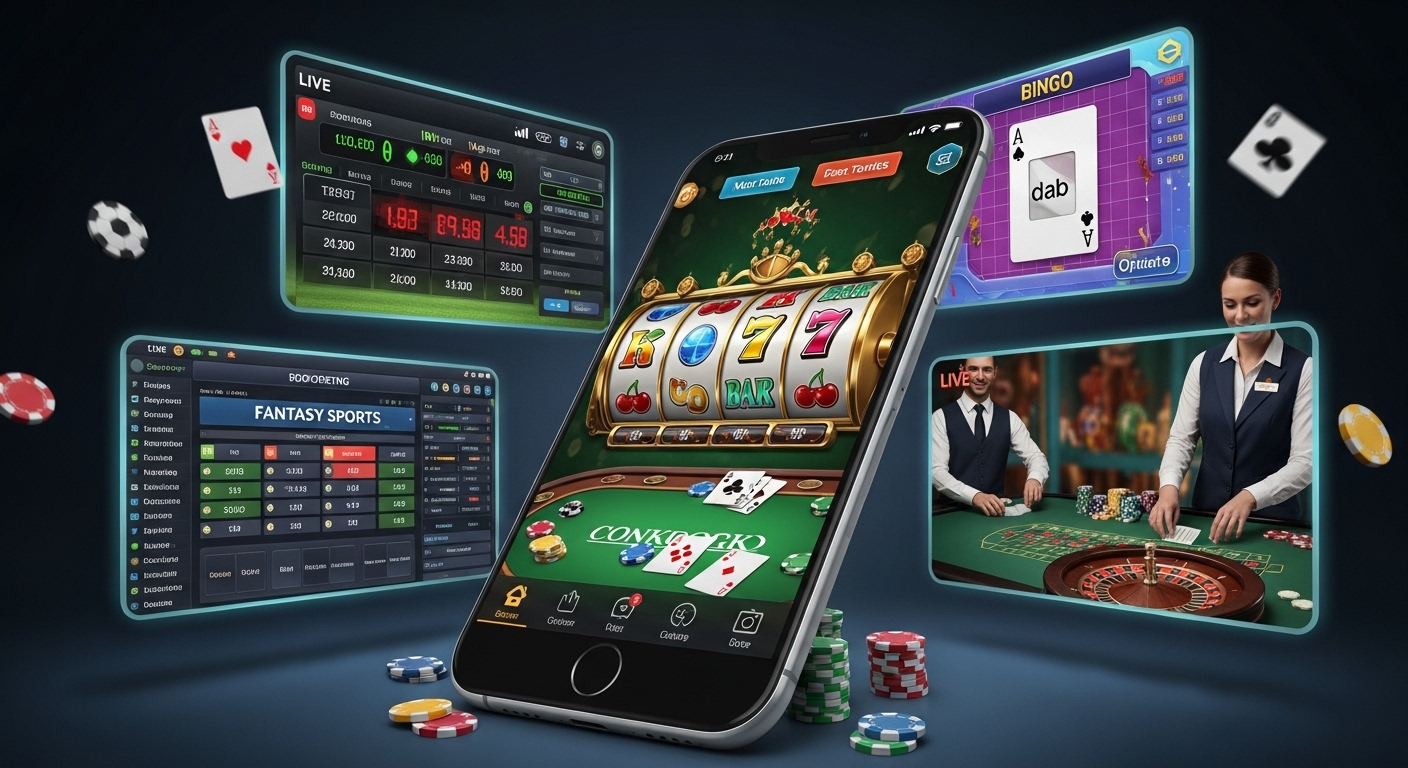
iGaming refers to all forms of gaming that involve interactive digital platforms where players can participate in various games or betting activities. This can include a wide array of games such as online casino games, poker, sports betting, esports, and even fantasy sports. Essentially, iGaming encompasses all gambling activities that are played through an online platform rather than in physical casinos or traditional betting shops.
Unlike traditional gambling, which often requires players to be physically present in a casino or betting shop, iGaming allows players to gamble from anywhere with an internet connection. This has made online gambling far more accessible and has opened up new avenues for both casual players and professional gamblers alike.
The accessibility and convenience of iGaming have made it a booming industry, with millions of people around the world now engaging in online gambling and gaming activities. Whether you’re playing a hand of virtual poker, betting on your favorite sports team, or trying your luck at a slot machine, iGaming has become a staple of modern entertainment.
2. The Evolution of iGaming
While iGaming is a relatively new industry, its roots trace back to the early days of the internet. The first online gambling sites emerged in the mid-1990s, driven by the development of online payment systems and the growth of internet access. In the early years, online casinos and sportsbooks offered limited options and were often rudimentary in design, but as technology improved, so did the quality and variety of games available.
In the early 2000s, the growth of broadband internet and the introduction of more secure online payment methods helped iGaming evolve rapidly. Online casinos became more user-friendly, offering better graphics, more diverse game offerings, and more secure payment methods. At the same time, the rise of online poker rooms, such as PartyPoker and PokerStars, helped bring attention to the iGaming industry. The 2000s also saw the rise of sportsbooks that allowed users to bet on sports events across the globe, further diversifying the world of online gaming.
By the 2010s, the iGaming market had grown into a multi-billion-dollar industry, with a wide variety of games catering to all types of players. The proliferation of smartphones and tablets also made iGaming more mobile, allowing players to access their favorite games on the go. Furthermore, the legalization of online gambling in several regions, including parts of the United States and Europe, further fueled the industry’s growth.
3. Types of iGaming Games
One of the main attractions of iGaming is the vast range of games available. Below are some of the most popular categories of iGaming:
Online Casino Games
Online casinos are the heart of the iGaming world, offering a wide range of traditional casino games in a digital format. These include:
- Slot Machines: Online slots are perhaps the most popular casino games. They come in a wide range of themes, styles, and payout structures, making them appealing to both casual players and high rollers.
- Table Games: Classic table games such as blackjack, roulette, baccarat, and craps are available at most online casinos. These games replicate the experience of playing in a brick-and-mortar casino, often with live dealers in real-time.
- Video Poker: This is a variation of traditional poker that is played against a machine rather than other players. Video poker combines elements of both skill and chance, offering higher odds compared to slots.
- Live Casino Games: With the advent of live streaming technology, live dealer games have become a popular offering in online casinos. Players can interact with real dealers in real-time, which adds an authentic touch to the online gaming experience.
Sports Betting
Sports betting is one of the oldest forms of gambling, and it has made a seamless transition into the digital realm. Online sportsbooks allow players to place bets on virtually any sport, from popular games like football, basketball, and soccer to niche sports like darts, esports, and even politics.
With advancements in technology, live betting has become a significant trend in the world of iGaming. This allows bettors to place wagers during a live game, adjusting their bets based on real-time events and statistics.
Esports
Esports has exploded in popularity over the last decade. Competitive video gaming has become a massive global industry, with millions of fans tuning in to watch tournaments like League of Legends and Dota 2. Esports betting, a subset of iGaming, allows players to place wagers on the outcomes of these tournaments. Esports offers an entirely new type of gaming experience, blending traditional sports betting with the excitement of video games.
Fantasy Sports
Fantasy sports are another form of interactive gaming, where players draft their own teams and compete against others based on real-life player statistics. Platforms like DraftKings and FanDuel have turned fantasy sports into a multi-billion-dollar industry, offering daily and season-long fantasy competitions.
4. The Technology Behind iGaming
One of the driving forces behind the rapid expansion of iGaming is the advancement of technology. A combination of cutting-edge technologies has enhanced the gaming experience, made it more immersive, and allowed it to reach a global audience.
Mobile Technology
The rise of smartphones and tablets has transformed the iGaming industry. With mobile devices offering powerful processing capabilities, online casinos and sportsbooks can now deliver high-quality gaming experiences that are nearly identical to their desktop counterparts. Players can now access their favorite games at any time and from anywhere, making mobile gaming a primary channel for iGaming.
Live Streaming and Real-Time Interaction
The development of live streaming technology has added a new dimension to iGaming. Live casino games, which feature real dealers in real time, have become immensely popular. This allows players to interact with dealers and other players, creating a more social and immersive experience. Additionally, live betting on sports events enables bettors to place wagers as the game unfolds, creating an interactive environment.
Blockchain and Cryptocurrencies
Blockchain technology and cryptocurrencies like Bitcoin have begun to play a significant role in the iGaming world. Blockchain ensures transparency and fairness in gaming, while cryptocurrencies offer players an anonymous and secure way to make transactions. This has appealed to a demographic that values privacy and security, while also reducing the friction of traditional banking methods.
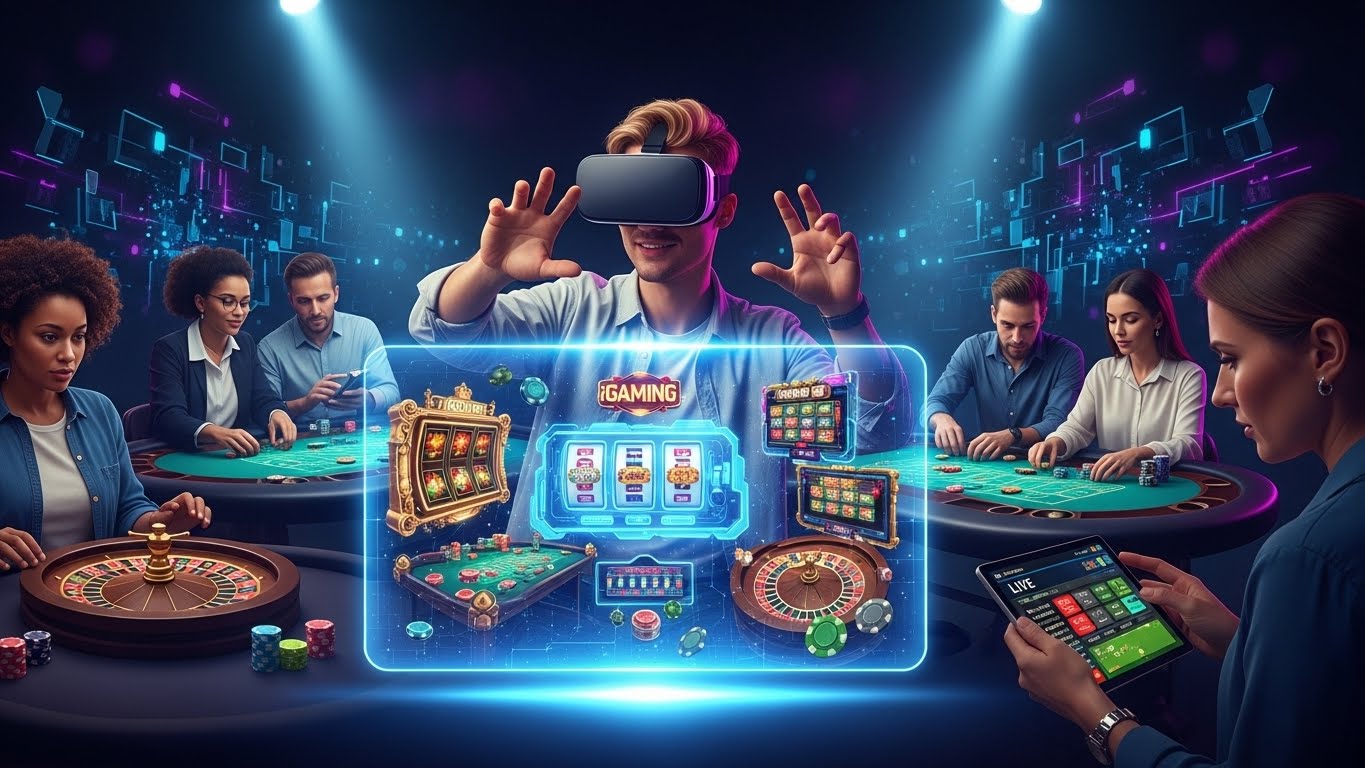
Virtual Reality (VR) and Augmented Reality (AR)
The next frontier in iGaming is virtual and augmented reality. VR casinos and VR poker rooms are emerging, offering players a fully immersive gambling experience. Players can interact with their environment and other players as if they were physically present in a real casino. Augmented reality, on the other hand, overlays digital elements onto the real world, adding another layer of excitement to mobile and online gaming experiences.
5. Regulation and Legality of iGaming
One of the challenges that the iGaming industry faces is the regulation and legality of online gambling. Different countries have different laws and regulations governing online gambling, with some jurisdictions fully legalizing iGaming, while others impose heavy restrictions or outright bans.
In Europe, the UK, and many other countries, iGaming is regulated and legal, with strict rules in place to ensure fair play, protect consumers, and prevent gambling addiction. In the United States, online gambling is regulated on a state-by-state basis, with some states like New Jersey, Pennsylvania, and Michigan offering fully legalized online casinos and sports betting.
However, there are still many regions where iGaming remains illegal, and players in these areas may have to navigate legal complexities if they wish to participate in online gambling. As the industry grows, it is likely that more countries will establish clear guidelines and regulations, helping to shape the future of iGaming.
6. The Economic Impact of iGaming
The iGaming industry has a significant economic impact, generating billions of dollars in revenue each year. In addition to the direct revenue generated by online casinos, sports betting platforms, and other gaming sites, iGaming also creates jobs and drives growth in related industries such as software development, cybersecurity, marketing, and customer support.
In regions where online gambling is legal, it has become a major source of tax revenue. Governments benefit from licensing fees and taxes on gambling profits, which can be used to fund public services, education, and healthcare. As the iGaming industry continues to expand, it is expected to contribute even more to the global economy in the years to come.
7. The Future of iGaming
The future of iGaming looks promising, with new technologies and trends shaping the industry. From the rise of VR casinos to the integration of artificial intelligence (AI) for personalized gaming experiences, iGaming will continue to evolve, offering more immersive, secure, and exciting experiences for players.
As the industry matures, it is likely that we will see even more regulation, with governments and industry bodies working to ensure fair play, protect vulnerable players, and promote responsible gambling. As technology continues to advance, players can look forward to even more innovative and interactive ways to engage with iGaming in the future.