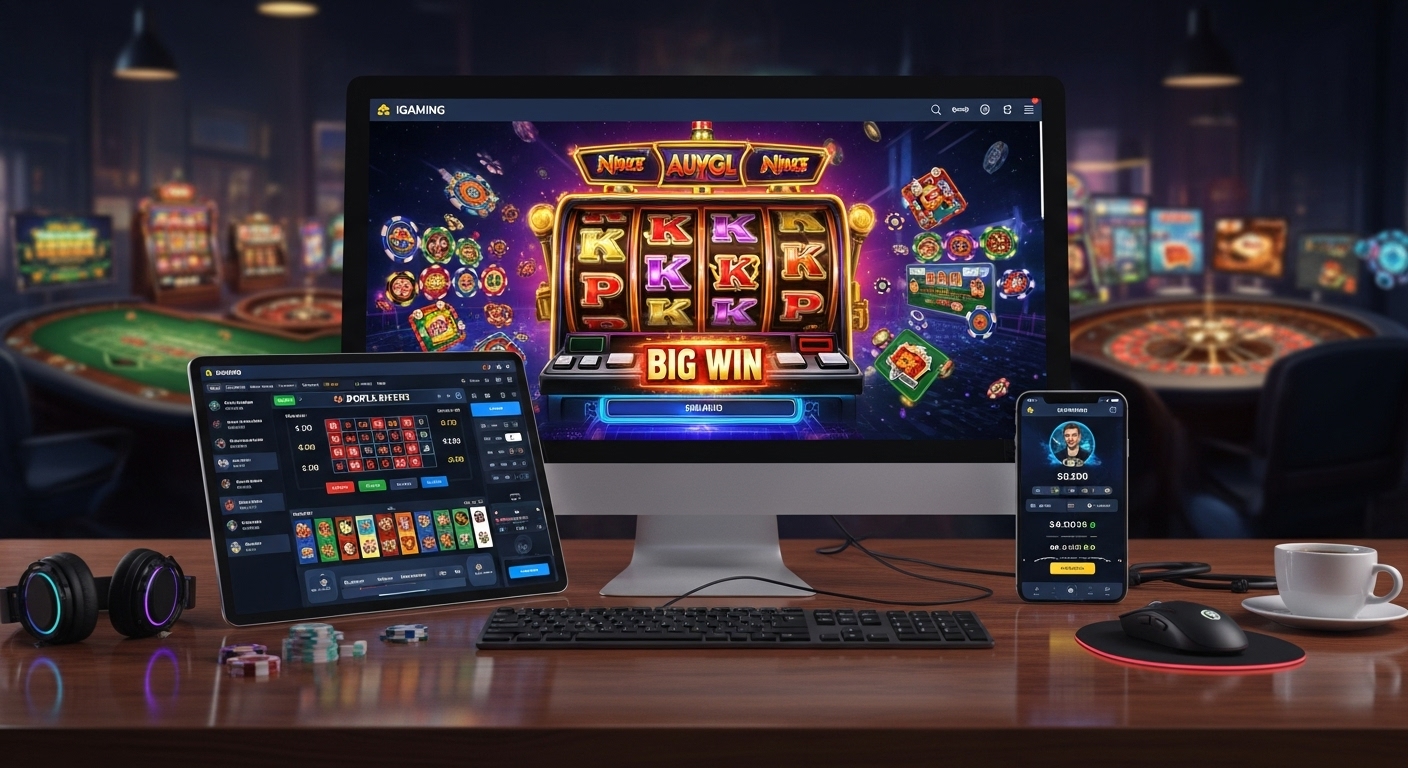






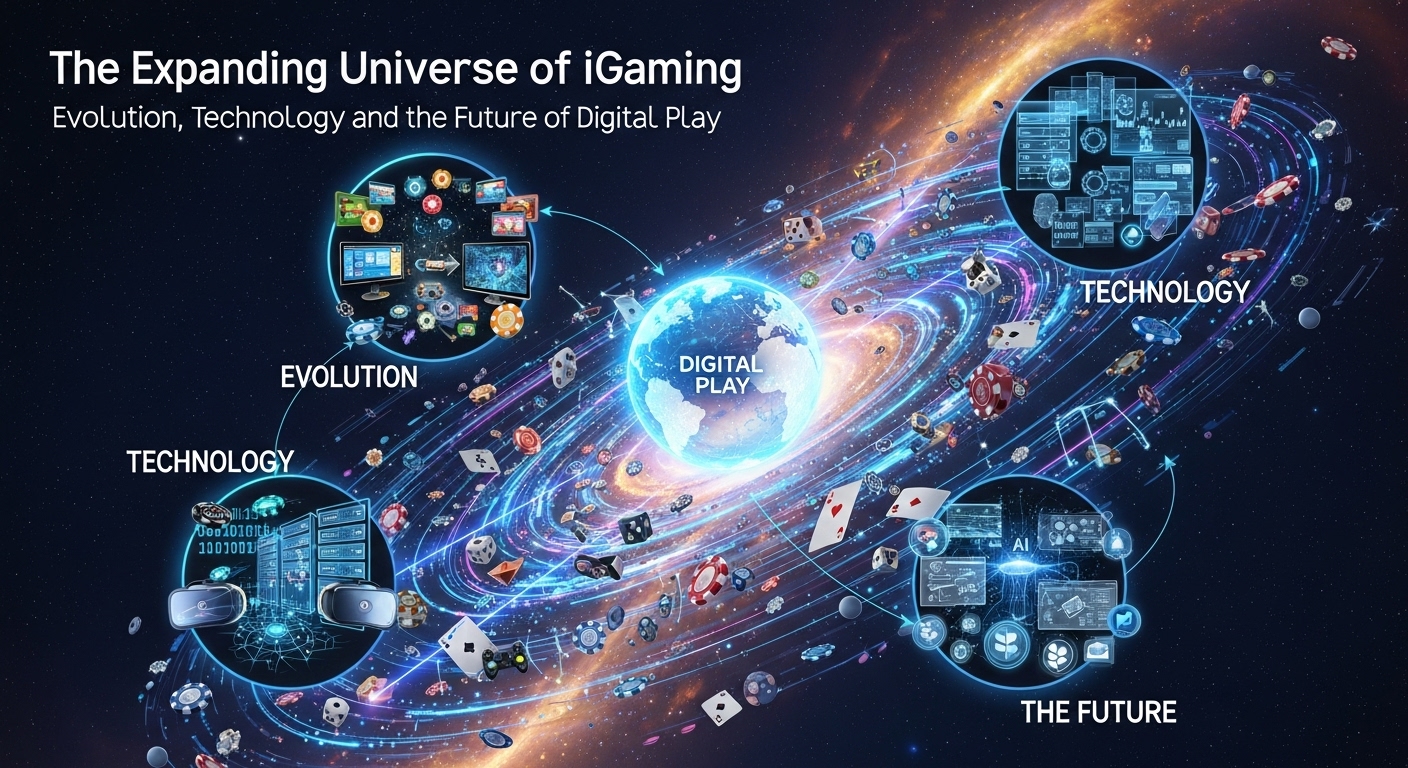
In the past decade, the iGaming industry has evolved from a niche pastime to a booming global phenomenon. Combining technology, entertainment, and the thrill of gambling, iGaming encompasses online casinos, sports betting, poker, and other digital gaming experiences. The rise of smartphones, faster internet, and innovative software has dramatically reshaped how people engage with games of chance, skill, and strategy. This blog will delve deep into the intricacies of iGaming, exploring its evolution, the types of games available, technology behind the platforms, responsible gaming, regulatory considerations, and its impact on society and the economy.
The Evolution of iGaming
iGaming, or online gaming, traces its roots back to the mid-1990s when the first online casinos appeared. These platforms were primitive by today’s standards, offering a limited number of games with basic graphics and functionality. However, they marked a revolutionary step by allowing players to engage in gambling activities from the comfort of their homes.
As internet speeds improved and mobile devices became more widespread, the iGaming industry experienced exponential growth. By the 2000s, software providers such as Microgaming and Playtech had created sophisticated platforms featuring high-quality graphics, diverse game selections, and secure payment systems. The expansion of mobile technology in the 2010s further accelerated growth, enabling players to access games anytime, anywhere. Today, iGaming is a multi-billion-dollar industry, constantly innovating to offer new experiences that combine entertainment, strategy, and risk.
Types of iGaming Platforms
The iGaming world is diverse, catering to a wide range of player preferences. Some of the most prominent types of platforms include:
Online Casinos
Online casinos are perhaps the most recognizable form of iGaming. They offer virtual versions of traditional casino games, including slots, blackjack, roulette, baccarat, and poker. Modern online casinos focus on providing immersive experiences through high-definition graphics, live dealer options, and interactive features. Live dealer games have been particularly popular, as they simulate the feeling of being on a real casino floor by streaming real-time gameplay conducted by professional dealers.
Sports Betting
Sports betting has a long history, but its online version has revolutionized the industry. Today, platforms offer betting opportunities on virtually every sport imaginable, from football and basketball to esports and niche events. Advanced algorithms allow for real-time odds updates, cash-out options, and live betting, enabling players to place wagers during ongoing matches. This dynamic environment adds excitement and strategy, attracting both casual fans and professional bettors.
Poker and Skill-Based Games
Poker is unique within iGaming because it blends chance and skill. Online poker rooms provide tournaments, cash games, and sit-and-go formats, appealing to both recreational and professional players. Skill-based games extend beyond poker, including fantasy sports, trivia games, and strategy-based competitions, offering players an alternative to traditional chance-based games.
Mobile Gaming and Apps
Mobile gaming has transformed iGaming by making it portable. Many platforms now offer dedicated apps that allow players to enjoy games on smartphones or tablets. Mobile optimization has become a critical factor, with touch-friendly interfaces, push notifications, and simplified navigation enhancing the user experience.
Technology Behind iGaming
The iGaming industry relies heavily on advanced technology to provide secure, reliable, and entertaining experiences. Several key technologies underpin modern platforms:
Random Number Generators (RNGs)
RNGs are at the heart of fair gaming. These algorithms generate unpredictable outcomes for games like slots, roulette, and card games, ensuring that results cannot be manipulated. Reputable platforms are required to have their RNGs regularly tested and certified by independent auditing firms to maintain trust and compliance.
Live Streaming and Real-Time Interaction
Live dealer games rely on sophisticated streaming technology. Multiple cameras, real-time data processing, and interactive interfaces allow players to watch dealers shuffle cards, spin roulette wheels, and interact via chat. This technology bridges the gap between online and physical casinos, creating an authentic experience.
Payment Gateways and Security
Secure transactions are crucial in iGaming. Platforms integrate with multiple payment gateways, offering options like credit cards, e-wallets, cryptocurrencies, and bank transfers. Advanced encryption protocols, two-factor authentication, and regulatory compliance protect both player funds and personal information.
Artificial Intelligence and Personalization
AI is increasingly used to enhance the player experience. Algorithms analyze user behavior to provide personalized game recommendations, optimize marketing strategies, and detect potential problem gambling patterns. AI also supports customer service through chatbots, providing instant responses to queries and technical issues.
The Role of Regulation
The iGaming industry is heavily regulated due to its financial nature and potential societal impacts. Regulations vary by jurisdiction but generally focus on fairness, security, age verification, and responsible gaming practices. Licensed operators are subject to strict audits and compliance checks to ensure they adhere to local laws.
Some countries have embraced iGaming fully, creating robust legal frameworks that encourage growth while protecting consumers. Others maintain restrictive policies, allowing limited operations or outright banning online gambling. The regulatory landscape directly impacts how platforms operate, the types of games offered, and payment methods available.
Responsible Gaming
With the convenience and accessibility of online gambling comes the need for responsible gaming. Platforms implement features like deposit limits, self-exclusion tools, and reality checks to help players maintain control. Awareness campaigns and support services also play a critical role in addressing problem gambling, which can lead to financial, psychological, and social challenges if left unchecked.
Players are encouraged to approach iGaming as a form of entertainment rather than a reliable source of income. Setting budgets, understanding odds, and taking breaks are essential practices to ensure a safe and enjoyable experience.
Economic Impact of iGaming
iGaming contributes significantly to the global economy. The industry generates billions in revenue annually, creating jobs in software development, customer support, marketing, and regulatory compliance. Tax revenues from legal operations support public services, infrastructure, and social programs in regulated jurisdictions.
Beyond direct financial benefits, iGaming stimulates innovation in technology, design, and digital marketing. Many breakthroughs in AI, user experience, and payment security originate from the demands of the iGaming sector, with applications extending to other industries.
Trends Shaping the Future of iGaming
The iGaming landscape is dynamic, constantly evolving to meet player expectations and leverage emerging technologies. Key trends include:
Virtual Reality and Augmented Reality
VR and AR are poised to redefine online casinos by providing immersive, 3D environments. Players can explore virtual casino floors, interact with others, and participate in games as if they were physically present. AR can enhance real-world events, like overlaying live statistics during sports betting.
Blockchain and Cryptocurrencies
Blockchain technology ensures transparency, security, and decentralization. Cryptocurrencies like Bitcoin and Ethereum provide fast, anonymous transactions, appealing to players who value privacy. Smart contracts may also automate payouts and bonuses, reducing administrative overhead and building trust.
Gamification and Social Features
Modern iGaming platforms increasingly incorporate gamification elements, such as achievements, leaderboards, and missions, to increase engagement. Social features, like multiplayer tournaments and in-game chat, create communities and foster loyalty among players.
Artificial Intelligence and Predictive Analytics
AI continues to influence game development, marketing, and risk management. Predictive analytics help platforms optimize odds, detect suspicious behavior, and tailor experiences to individual preferences. AI-driven personalization enhances retention and satisfaction, making the gaming experience more enjoyable.
Challenges and Ethical Considerations
Despite its growth, the iGaming industry faces several challenges. Ensuring responsible gaming, preventing underage access, and addressing addiction remain top priorities. Ethical concerns also arise around the potential for exploitation through aggressive marketing or gamified elements designed to maximize player spending.
Balancing profitability with social responsibility is crucial. Platforms that prioritize transparency, fair play, and player well-being tend to build long-term trust and sustainable growth.
Conclusion
iGaming is a multifaceted, rapidly evolving industry that merges technology, entertainment, and strategy. From online casinos and sports betting to poker and skill-based games, the variety of experiences available caters to diverse audiences. Technological innovations such as AI, VR, and blockchain continue to shape the future of the sector, while regulation and responsible gaming practices ensure safety and fairness.
As the industry expands, it offers both economic benefits and challenges. By embracing innovation responsibly, iGaming platforms can provide engaging, safe, and immersive experiences for players worldwide. Whether a casual gamer or a seasoned strategist, the world of iGaming offers endless opportunities for excitement, skill, and entertainment.