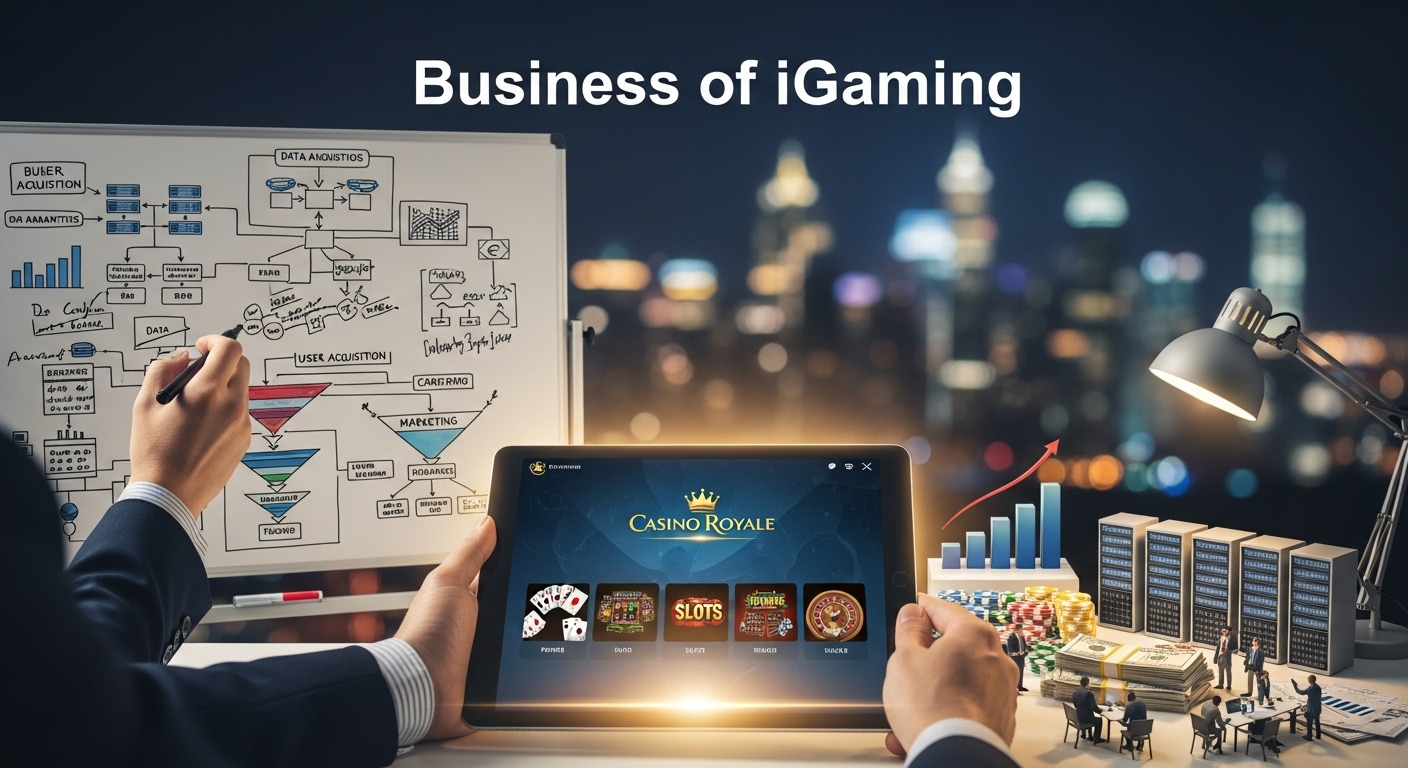







The world of gaming and gambling has evolved dramatically over the past few decades, thanks to the rapid growth of technology. One of the most notable transformations has been the rise of iGaming—an umbrella term that encompasses online gambling activities, including casino games, sports betting, poker, and even virtual sports. The evolution of iGaming has been nothing short of revolutionary, shaping not only the gaming industry but also how people perceive and engage with entertainment.
In this blog, we’ll explore the significant factors driving the rise of iGaming, the key elements that make it attractive, and the implications it has on the global market.
What is iGaming?
iGaming refers to any form of gambling or betting activity conducted over the internet. It includes online casino games, sports betting, online poker, virtual gambling, and even daily fantasy sports. With the advent of mobile technology and high-speed internet, iGaming has made gambling accessible to millions of players across the world from the comfort of their homes or even on the go.
Unlike traditional casinos or betting shops, iGaming platforms allow users to wager real money on various games and events while enjoying a variety of interactive features. From live dealer games to virtual sports and online slot machines, iGaming brings the thrills of gambling directly to a player’s fingertips.
Factors Driving the Growth of iGaming
1. Technological Advancements
The rapid advancement of technology is one of the most significant contributors to the growth of iGaming. The introduction of high-speed internet, mobile applications, and improved software has revolutionized the online gaming experience. Virtual reality (VR) and augmented reality (AR) are also starting to make their mark in the industry, providing users with an immersive gambling experience.
2. Convenience and Accessibility
The accessibility of online gaming platforms has been a game-changer. Players no longer need to travel to land-based casinos or sports betting venues. Instead, they can enjoy their favorite casino games or place sports bets from the comfort of their homes or on their mobile devices. This convenience has played a huge role in the rapid growth of iGaming, particularly as more people value time-saving activities and mobile-friendly experiences.
3. Legalization and Regulation
The legalization of online gambling in various regions has helped fuel the growth of iGaming. As governments have recognized the potential tax revenue and the need for regulation, they have begun to create legal frameworks to oversee the industry. This has encouraged the establishment of reputable, secure platforms that offer fair gaming experiences to players. The growth of legal online gambling markets, particularly in North America and Europe, has further solidified the presence of iGaming globally.
4. Variety of Games and Betting Options
One of the key advantages of iGaming is the variety it offers. Players have access to an extensive selection of games, from classic card games like poker and blackjack to innovative slot machines and live dealer games. Additionally, the availability of diverse sports betting options and virtual sports adds even more appeal to iGaming platforms. The wide range of choices ensures that there’s something for every type of player.
The Impact of Mobile Technology on iGaming
The advent of smartphones and mobile technology has had a profound impact on iGaming. Mobile gaming allows players to access their favorite games anytime, anywhere. Whether it’s a quick round of blackjack or placing a bet on a football game, mobile apps have made it incredibly easy for users to stay engaged.
iGaming companies are continuously optimizing their platforms for mobile use, ensuring that games are smooth, visually appealing, and user-friendly across all devices. This shift has led to a sharp increase in mobile users and has changed the way people engage with gambling activities.
The Social and Interactive Element of iGaming
Unlike traditional gambling, iGaming has a highly social and interactive component. Live dealer games, where players can interact with real dealers through video streaming, provide a more immersive experience. Online poker rooms allow players to chat and engage with opponents, creating a sense of community despite the physical distance.
Moreover, online gambling platforms often integrate social features such as leaderboards, tournaments, and in-game rewards. These elements enhance the gaming experience and help build a loyal player base, as players are motivated not only by the chance of winning but also by the social aspects of the games.
The Challenges of iGaming
While the rise of iGaming has been overwhelmingly positive, it does come with its share of challenges. The most significant of these challenges is the risk of problem gambling. The easy accessibility and round-the-clock availability of online gambling platforms can lead to addictive behavior, particularly among vulnerable players. This issue has led many governments to introduce responsible gambling measures, such as self-exclusion programs, time limits, and setting deposit limits.
Another challenge is the potential for fraud and security breaches. As online transactions increase, so does the risk of cyberattacks and financial scams. Reputable iGaming platforms invest heavily in cybersecurity to protect their players’ data and ensure a secure gambling experience.
The Future of iGaming
The future of iGaming looks incredibly promising, with continued growth expected across multiple regions. As new technologies such as blockchain and AI continue to develop, they are likely to have a significant impact on the industry. Blockchain technology, for instance, can provide more transparency and security for financial transactions, while AI can enhance the personalization of gaming experiences, recommending games and bonuses based on individual preferences.
Additionally, the continued expansion of 5G networks will provide faster and more reliable mobile connections, further improving the iGaming experience. As mobile technology advances and new types of interactive experiences emerge, players can expect even more innovative and engaging ways to experience online gaming.
Conclusion
iGaming is transforming the way people think about and interact with gambling. From its technological advancements to the social and interactive elements that set it apart from traditional gambling, iGaming offers a modern, dynamic entertainment experience that is here to stay. As the industry continues to evolve, it will undoubtedly become even more integrated into our daily lives, offering exciting opportunities for both players and operators. However, it’s crucial for the industry to continue prioritizing responsible gambling and player safety to ensure its continued success and sustainability.