






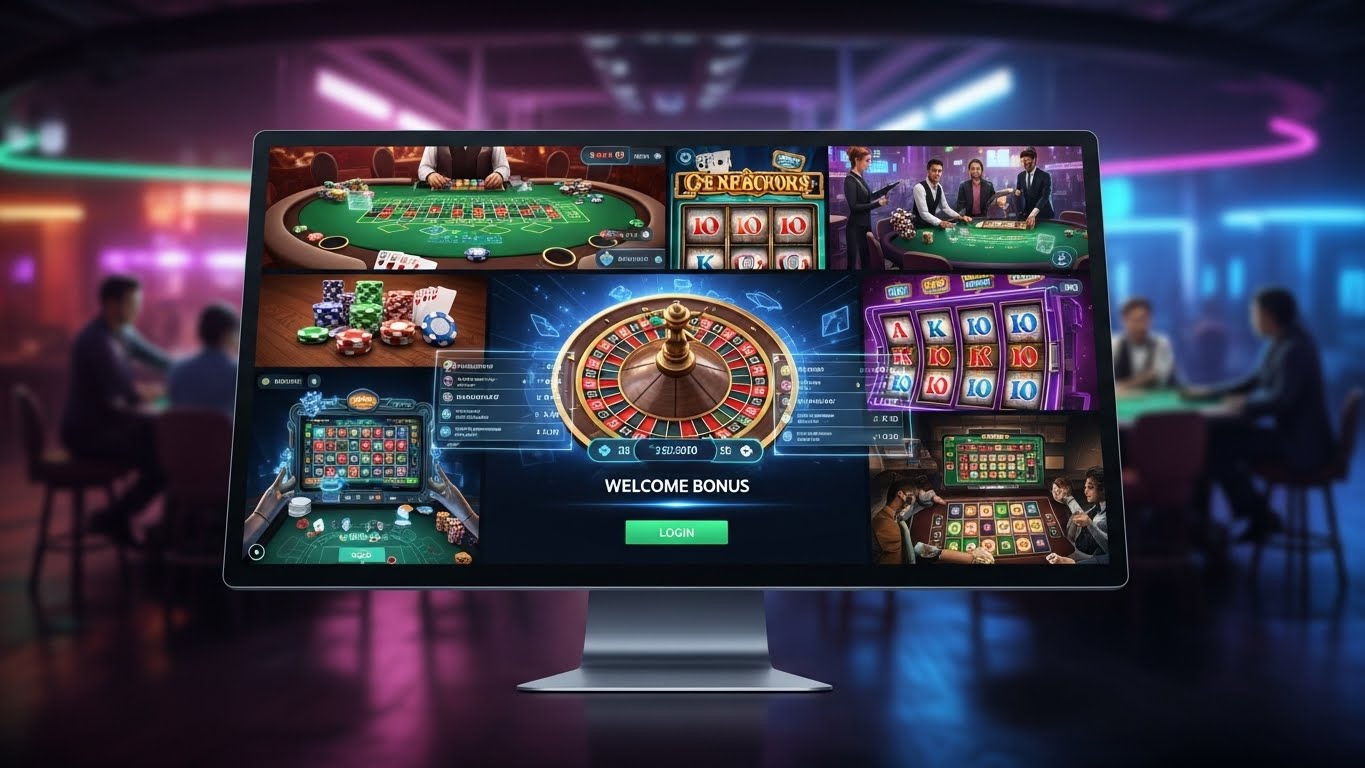
The gaming industry has undergone a massive transformation over the last two decades. Among its most prominent shifts is the rise of iGaming, which refers to online gambling and interactive digital gaming platforms. Unlike traditional casinos that require physical presence, iGaming allows players to enjoy casino games, sports betting, poker, and other gambling activities from anywhere with an internet connection. This blog explores the evolution of iGaming, its technological innovations, regulatory landscape, and the opportunities and challenges facing this booming industry.
The Growth of iGaming
iGaming has grown rapidly due to the increasing penetration of high-speed internet and the widespread use of smartphones. Players no longer need to travel to a physical casino to enjoy their favorite games. Convenience, accessibility, and variety are some of the main factors driving this growth. Platforms now offer hundreds of games, from slot machines to table games, poker tournaments, and live dealer experiences, catering to diverse player preferences.
Mobile technology has particularly accelerated the popularity of iGaming. Gaming apps provide seamless interfaces, fast loading times, and easy navigation. The ability to play anywhere, whether during a commute, a lunch break, or at home, has made iGaming a preferred entertainment option for millions worldwide.
Technological Innovations Driving iGaming
Technology is at the heart of the iGaming revolution. Advanced software, artificial intelligence, virtual reality, and blockchain are some of the technologies shaping the future of digital gaming.
Artificial intelligence is used to analyze player behavior, optimize game recommendations, and create personalized gaming experiences. For example, AI can suggest games based on previous playing habits, enhancing engagement and player retention. AI is also crucial in identifying patterns that may indicate problem gambling, allowing platforms to intervene responsibly.
Virtual reality and augmented reality have introduced immersive gaming experiences. Players can now interact with virtual casino environments, experience realistic 3D graphics, and participate in live dealer games that simulate real-life casino interactions. These technologies provide a more engaging experience and help bridge the gap between online and offline gaming.
Blockchain technology is increasingly used to ensure transparency and fairness in iGaming. Smart contracts and decentralized ledgers guarantee that game outcomes are verifiable and tamper-proof. Additionally, cryptocurrencies provide secure, anonymous, and instant payment options, appealing to players who prefer alternatives to traditional banking methods.
Popular Categories of iGaming
iGaming encompasses a wide range of activities, each offering unique experiences and entertainment.
Online Casinos
Online casinos form the core of the iGaming industry. They include traditional games such as blackjack, roulette, baccarat, and slot machines. Modern online casinos focus on creating engaging visuals, interactive features, and user-friendly interfaces. Live dealer games have become particularly popular, providing real-time interaction with professional dealers and enhancing the authenticity of the online experience.
Sports Betting
Sports betting is one of the fastest-growing segments of iGaming. Online platforms allow users to place bets on a variety of sports, including football, basketball, cricket, and esports. Real-time odds, predictive models, and statistical insights make online sports betting both exciting and strategic. Mobile betting apps have made it easier than ever to place bets on the go, attracting millions of enthusiasts worldwide.
Poker and Skill-Based Games
Poker remains a popular iGaming category due to its combination of skill, strategy, and competition. Online poker platforms host tournaments, cash games, and multi-table events, allowing players to compete against opponents worldwide. Other skill-based games, including trivia and card games, have also gained traction, appealing to players who enjoy challenges beyond pure chance.
Bingo and Casual Gaming
Bingo and other casual games have a significant following, especially among players looking for entertainment without intense competition. Online bingo platforms often include social features, such as chat rooms and community events, enhancing engagement and creating a sense of community among players.
Regulatory Landscape
The rapid growth of iGaming has prompted governments and regulatory authorities to implement laws and standards to protect players and ensure fair play. Regulations vary across countries, with some regions embracing online gaming and others imposing strict restrictions.
Licensing is a crucial aspect of regulation. Reputable platforms operate under licenses issued by recognized authorities, ensuring game fairness, secure transactions, and player protection. Regulatory frameworks also encourage responsible gambling through features such as deposit limits, self-exclusion tools, and monitoring systems to detect problematic behavior.
While regulations may sometimes seem restrictive, they ultimately benefit players by creating safer and more trustworthy gaming environments. Operators who comply with regulatory standards build stronger reputations and gain long-term customer trust.
Responsible Gambling
As iGaming continues to grow, promoting responsible gambling is essential. Platforms now include tools and resources that allow players to control their gaming habits. Deposit limits, session reminders, and self-exclusion options help prevent excessive gambling and financial losses.
Education also plays a critical role in responsible gambling. Players must understand the risks involved, including addiction and financial consequences. Awareness campaigns, online guides, and in-game notifications help foster a culture of informed and safe gaming.
Economic Impact of iGaming
iGaming is more than just entertainment; it contributes significantly to the global economy. The industry supports thousands of jobs, from software developers and customer support agents to marketing professionals and compliance specialists. Online gaming platforms also generate substantial tax revenues for governments, which can fund public services and infrastructure projects.
Internationally, iGaming promotes cross-border economic activity. Players from different countries engage on shared platforms, facilitating technology exchange, financial transactions, and business partnerships. The industry also stimulates innovation, as companies invest in cutting-edge software and gaming technologies to stay competitive.
Challenges in the iGaming Industry
Despite its rapid growth, the iGaming industry faces several challenges. Cybersecurity is a primary concern, as platforms store sensitive player information and financial data. Protecting this data from cyberattacks requires continuous investment in advanced security measures.
Competition is another challenge. The online gaming market is highly saturated, with numerous platforms vying for player attention. To succeed, operators must focus on user experience, innovative game offerings, and effective marketing strategies.
Regulatory uncertainty poses additional hurdles. Changes in laws, licensing requirements, or taxation policies can impact operations and profitability. Navigating these complexities demands expertise and proactive planning.
Future Trends in iGaming
The future of iGaming is full of exciting possibilities. Mobile gaming will continue to dominate, as players increasingly prefer on-the-go entertainment. Apps with intuitive interfaces and seamless gameplay are likely to attract more users.
Artificial intelligence and machine learning will further enhance personalized experiences, offering tailored game recommendations and improved security. Virtual reality and augmented reality will continue to create immersive gaming environments, making online casinos more engaging than ever.
Esports betting is an emerging segment that promises significant growth. Competitive gaming attracts younger audiences who are highly engaged with digital entertainment, providing new opportunities for iGaming platforms.
Blockchain and cryptocurrency integration will continue to grow, offering secure, transparent, and fast payment solutions. These technologies may redefine trust and fairness in online gaming, providing players with greater confidence in digital platforms.
Conclusion
iGaming represents a dynamic and rapidly evolving sector of the entertainment industry. It combines technology, innovation, and accessibility to deliver unique experiences to millions of players worldwide. The industry’s growth is driven by convenience, variety, and technological advancements such as AI, VR, and blockchain.
However, iGaming must balance innovation with responsible practices, cybersecurity, and regulatory compliance to ensure a safe and enjoyable experience for players. As mobile gaming, esports, and immersive technologies continue to expand, the future of iGaming promises even greater opportunities and excitement.
The iGaming industry is not just about digital gambling; it is about creating engaging, safe, and technologically advanced entertainment experiences that redefine how people interact with games in the digital age. With continued innovation and ethical practices, iGaming is set to remain a major player in global entertainment for years to come.