






Introduction
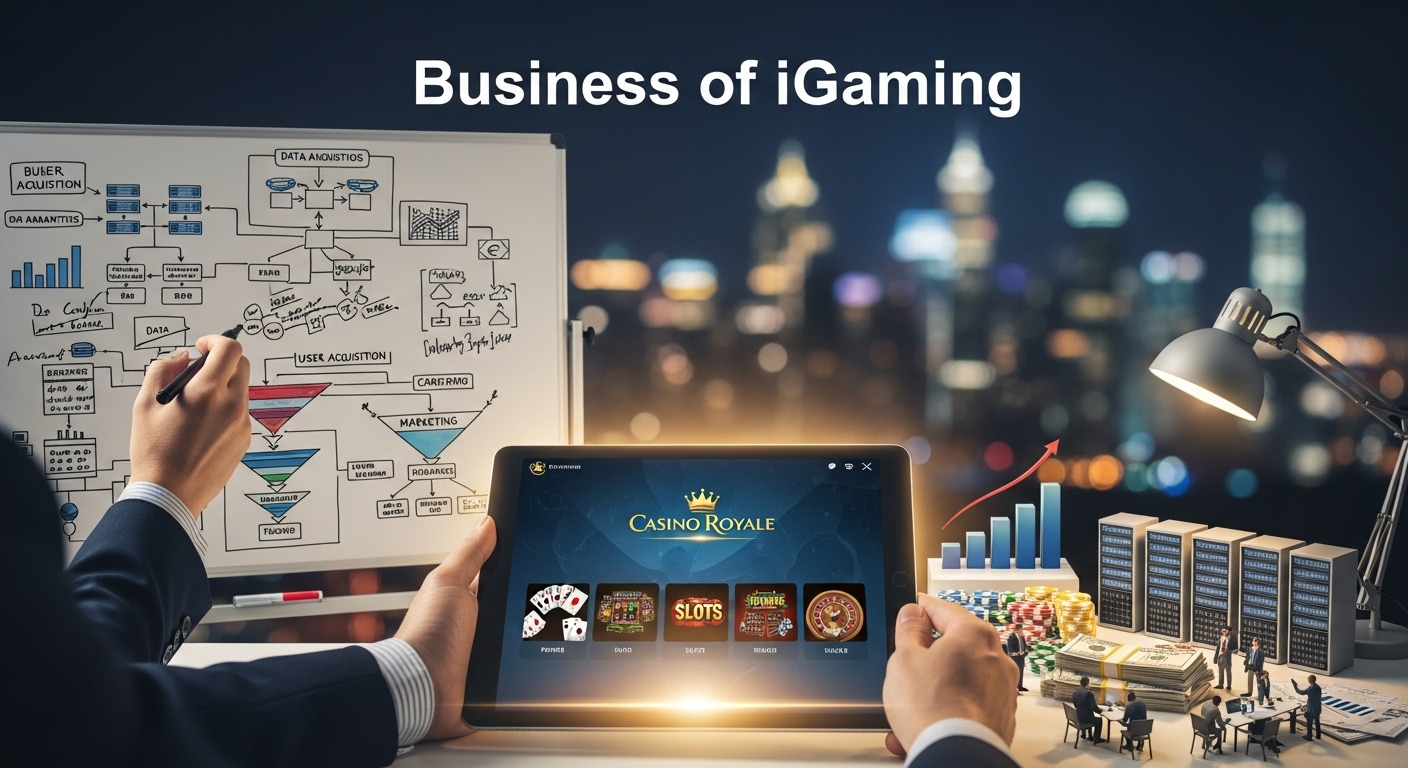
Behind every online casino lies a sophisticated business operation. From licensing and software development to marketing and customer support, the iGaming industry requires massive investment, cutting-edge technology, and smart strategies to succeed.
This blog uncovers the business side of iGaming—how companies launch, grow, and scale profitable online casinos.
Step 1: Licensing and Regulation
- Licenses from UKGC, MGA, or Curacao build trust.
- Regulated markets ensure compliance and player safety.
- High licensing fees but necessary for credibility.
Step 2: Casino Software Providers
- Companies like Microgaming, NetEnt, and Evolution Gaming provide game libraries.
- White-label solutions allow startups to launch quickly.
- Custom-built casinos offer uniqueness but require heavy investment.
Step 3: Payment Solutions
- Multiple payment methods are crucial: cards, e-wallets, bank transfers, and crypto.
- Secure, fast withdrawals increase trust.
Step 4: Marketing Strategies
- SEO & Content Marketing: Blogs, reviews, and casino guides.
- Affiliate Marketing: Partners drive traffic in exchange for revenue share.
- Bonuses & Promotions: Attract and retain customers.
- Social Media: Building brand loyalty.
Step 5: Player Retention
- Loyalty programs and gamification.
- Personalized promotions via AI.
- Customer service excellence.
Challenges in iGaming Business
- High competition.
- Strict regulations.
- Fraud and cybersecurity threats.
- Managing cross-border payments.
Future of iGaming Businesses
- Expansion into emerging markets.
- Adoption of VR, blockchain, and metaverse integration.
- Consolidation: mergers and acquisitions creating industry giants.
Conclusion
The iGaming business is complex yet incredibly profitable. With the right combination of licensing, technology, marketing, and responsible practices, companies can build thriving platforms in one of the most competitive digital industries.