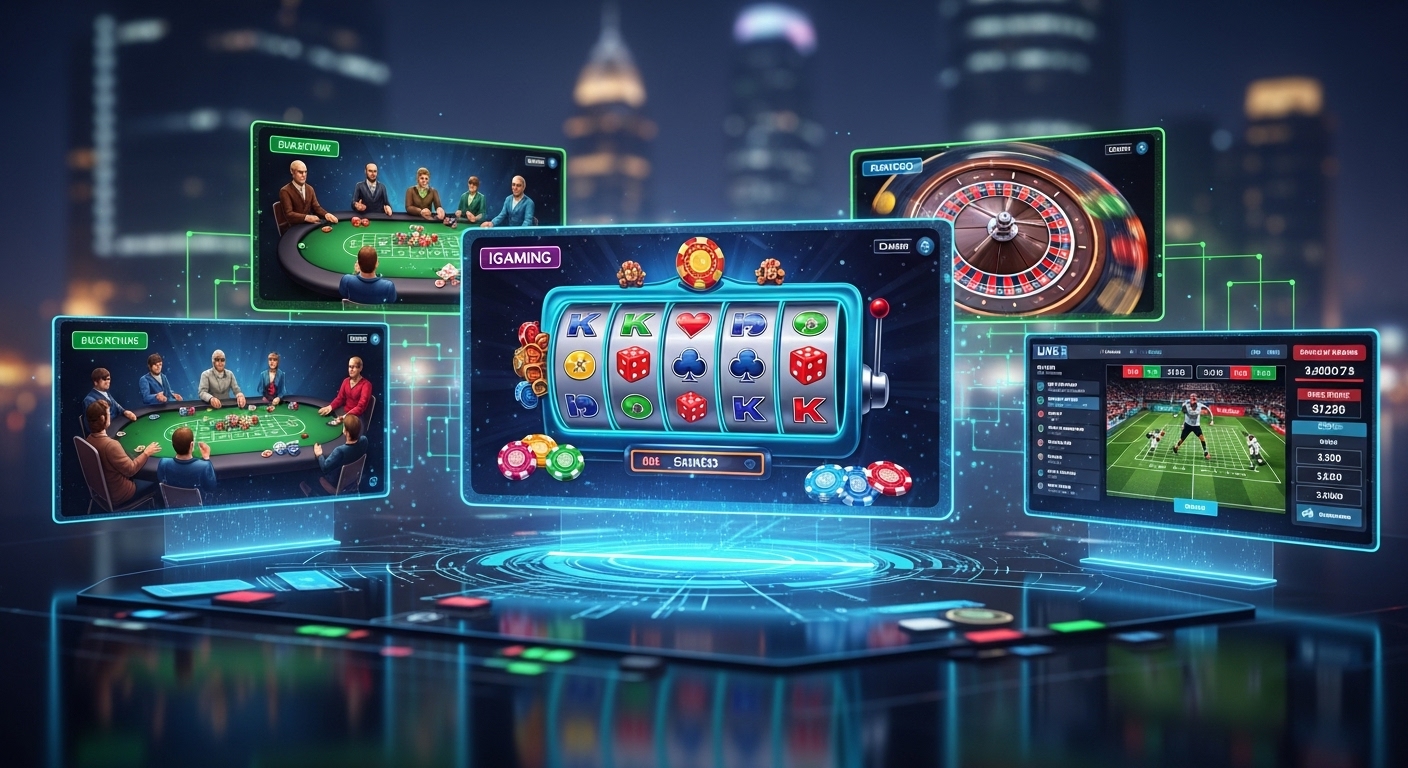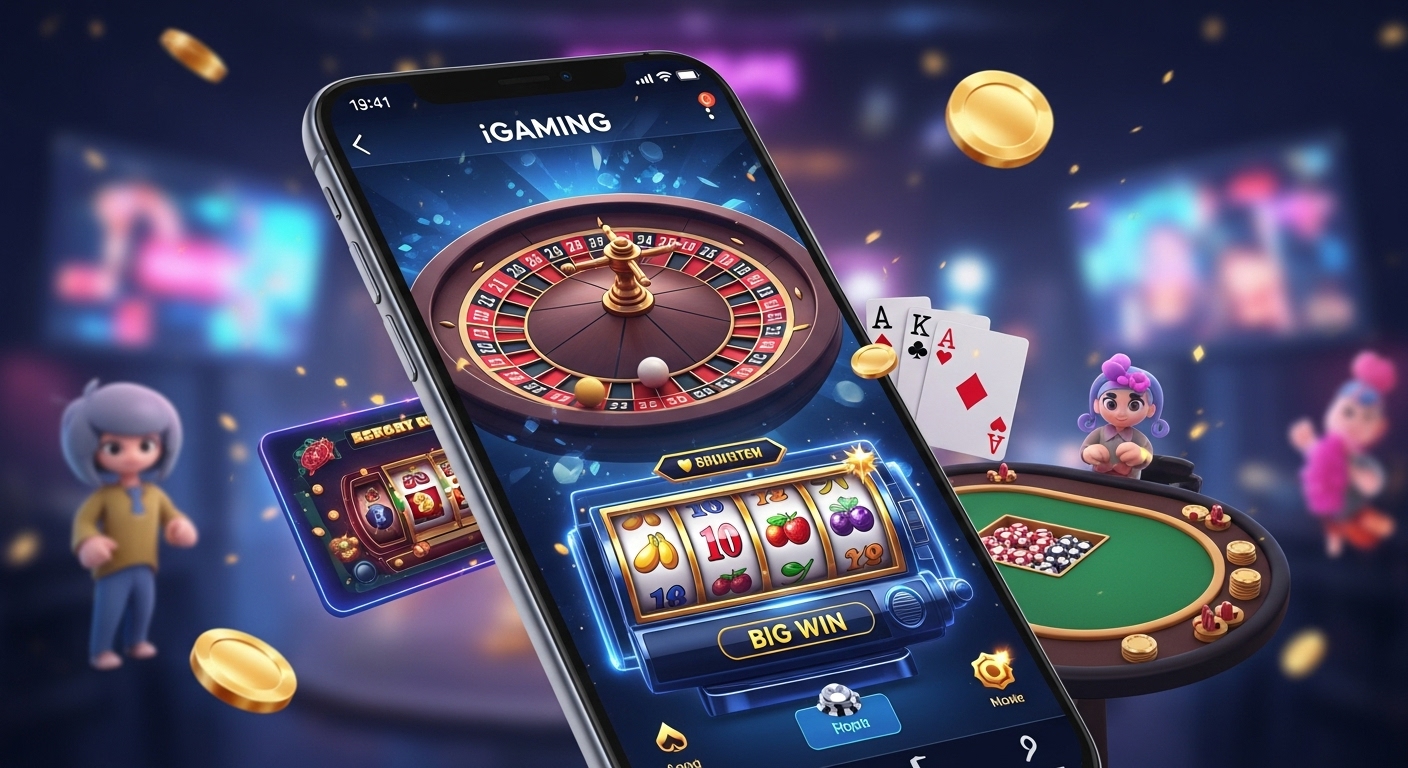







The iGaming industry has undergone a profound transformation over the past few decades. From its humble beginnings as simple online poker rooms to the massive, multi-billion-dollar global industry it is today, iGaming has captured the attention of millions around the world. What was once considered a niche form of entertainment has now become a mainstream phenomenon, reshaping not only the gambling landscape but also how people engage with technology and entertainment in general.
In this blog, we will explore the rise of iGaming, its various components, the technology behind it, and the social and economic implications of this booming industry. We’ll also examine how iGaming is likely to evolve in the future, as innovations in virtual reality, blockchain, and mobile gaming continue to change the game.
What is iGaming?
At its core, iGaming refers to the act of gambling or betting through the internet. The term covers a wide range of activities, including online casino games (slots, poker, blackjack), sports betting, esports betting, virtual betting, and online bingo. It can also extend to social gaming platforms where users play games with friends for virtual rewards or cash prizes.
Unlike traditional forms of gambling, iGaming allows players to access their favorite games or place bets from anywhere in the world, as long as they have a stable internet connection. This accessibility has been one of the key drivers of the industry’s rapid growth, enabling it to reach a global audience that was once limited by geographic and regulatory barriers.
The Growth of iGaming: A Global Phenomenon
The history of iGaming can be traced back to the mid-1990s, when the first online casinos and sportsbooks were launched. These early platforms were basic and operated on limited technologies, offering a small selection of games and betting options. However, the rapid expansion of the internet, coupled with technological advancements, allowed these platforms to evolve quickly.
By the late 1990s, the first legal online gambling sites emerged, especially in jurisdictions like Antigua and Barbuda, which passed laws allowing offshore online gambling operators. As the internet became more widespread, more players began to participate in online gambling, and the industry began to develop into a multi-billion-dollar sector.
The 2000s saw the rise of online poker, which further boosted the popularity of iGaming. The creation of major poker platforms such as PokerStars and Full Tilt Poker, alongside high-profile televised poker events, brought the game to the forefront of mainstream entertainment. Tournaments like the World Series of Poker (WSOP) attracted millions of viewers, and poker became a global pastime.
Fast forward to the 2010s, and iGaming had firmly established itself as one of the largest entertainment industries in the world. Major companies in the sector include industry giants like Bet365, 888 Holdings, and Microgaming, offering a wide range of online casino games, live dealer experiences, sports betting options, and more.
As of today, the iGaming industry is expected to reach over $90 billion in market value by the mid-2020s, and it continues to grow year after year. The advent of mobile technology, secure payment systems, and improved user experiences has made online gambling easier and more enjoyable than ever before. This growth is fueled not only by technological advancements but also by changes in global regulations, as more countries legalize online gambling to benefit from tax revenues.
The Key Components of iGaming
iGaming is a broad umbrella that encompasses several distinct components, each catering to different types of players and interests. Let’s break down the key elements that make up this dynamic industry:
1. Online Casino Games
Online casinos are the cornerstone of iGaming, offering a vast array of virtual gambling experiences that replicate the atmosphere of a traditional brick-and-mortar casino. These games include popular classics like blackjack, roulette, baccarat, and poker, as well as a wide variety of slot machines, video poker, and scratch cards.
The rise of live dealer games, where players can interact with real dealers via video stream, has added a new layer of excitement to online casinos. These games offer a more immersive and authentic experience, bridging the gap between traditional and online gaming.
2. Sports Betting
Sports betting is one of the most widely popular forms of iGaming, allowing users to place bets on their favorite sports teams, athletes, and events. From football and basketball to horse racing and esports, sports betting covers virtually every conceivable type of competition.
The development of online sportsbooks has democratized access to sports betting, enabling fans to place bets in real-time and on various types of markets, including moneylines, point spreads, over/under totals, and prop bets. The accessibility of mobile apps and live betting options has further enhanced the experience, making it more convenient than ever for bettors to wager on sporting events from anywhere.
3. Esports Betting
Esports, or competitive video gaming, has emerged as one of the fastest-growing segments of the iGaming industry. Professional esports tournaments for games like League of Legends, Counter-Strike: Global Offensive, and Dota 2 draw millions of viewers from around the world, creating a lucrative market for betting.
Esports betting operates similarly to traditional sports betting, with players placing wagers on the outcome of various matches, tournaments, or player statistics. As esports continues to gain in popularity and legitimacy, betting on esports events has become an increasingly important part of the iGaming ecosystem.
4. Social Gaming and Virtual Goods
Another key aspect of iGaming is the rise of social gaming, where players engage in virtual games with friends or strangers for entertainment purposes. While these games typically do not involve real money, players can often buy virtual items or upgrade their avatars using in-game currency.
Some social gaming platforms have incorporated elements of gambling, allowing users to play poker, slots, or bingo for virtual currency or rewards, creating a hybrid of traditional iGaming and social interaction.
The Technology Behind iGaming
The rise of iGaming would not have been possible without advancements in technology. From secure online payment systems to cutting-edge graphics and mobile gaming apps, the entire industry is driven by constant innovation.
1. Mobile Gaming
One of the most significant developments in iGaming has been the rise of mobile gaming. With the majority of the global population now owning smartphones, mobile devices have become the primary platform for online gambling. The iGaming sector has capitalized on this trend by developing mobile-optimized versions of its most popular games, allowing users to access their favorite gambling experiences anytime, anywhere.
Mobile gaming has also introduced new features such as mobile-specific bonuses and promotions, which help to further enhance the user experience. In many cases, mobile apps offer faster loading times, smoother gameplay, and enhanced graphics, making them a go-to option for players.
2. Virtual and Augmented Reality
The future of iGaming is closely tied to the development of virtual reality (VR) and augmented reality (AR) technologies. VR allows players to immerse themselves in fully digital environments, while AR overlays digital elements onto the real world. These technologies have the potential to completely redefine online gambling by offering more interactive, realistic, and immersive experiences.
For example, VR casinos could allow players to walk around and interact with other players in a 3D virtual space, mimicking the feel of a physical casino. Similarly, AR could enhance sports betting by providing real-time statistics and visualizations directly on players’ screens during live events.
3. Blockchain and Cryptocurrencies
Blockchain technology and cryptocurrencies have also found their place in the iGaming world. Cryptocurrencies like Bitcoin, Ethereum, and Litecoin provide players with an anonymous, secure, and fast way to deposit and withdraw funds from iGaming platforms.
In addition, blockchain’s decentralized nature ensures transparency, which is particularly important in the online gambling sector, where players often have concerns about fairness and integrity. Some platforms have even begun offering provably fair games, where the outcomes can be verified using blockchain technology.
The Social and Economic Impact of iGaming
The rapid expansion of the iGaming industry has had far-reaching social and economic implications. On the one hand, it has generated significant tax revenue for governments, particularly in jurisdictions where online gambling has been legalized. For example, countries like the United Kingdom, Malta, and Gibraltar have seen substantial economic benefits from iGaming regulation.
On the other hand, there are concerns about the social impact of iGaming, particularly in relation to problem gambling. As iGaming platforms become more accessible and enticing, it is essential for operators to implement responsible gambling measures, such as self-exclusion tools, deposit limits, and age verification protocols.
The Future of iGaming
Looking ahead, the future of iGaming appears to be shaped by a combination of technology, regulation, and consumer demand. With advancements in VR, blockchain, and mobile technology, the industry will continue to evolve, offering even more immersive and convenient gambling experiences. As more countries look to regulate iGaming, the global market is likely to expand, bringing new opportunities and challenges to the sector.
Ultimately, iGaming’s evolution will depend on how operators balance innovation with responsible practices, ensuring that it remains a safe, enjoyable, and sustainable form of entertainment for millions of players worldwide.
As the industry continues to grow and innovate, it will be exciting to see what the future holds for iGaming in the years to come.