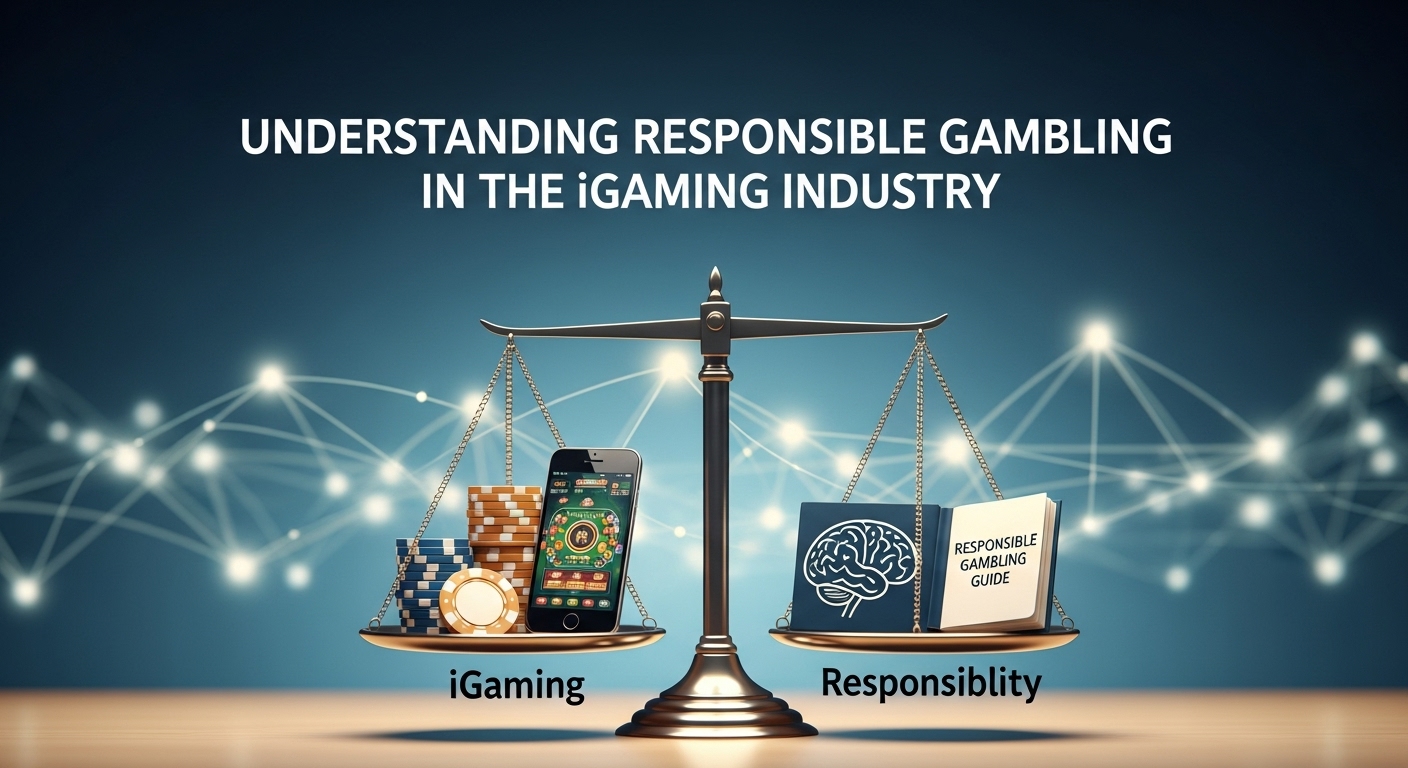







The world of gaming has witnessed exponential growth in recent years, and one of the most rapidly evolving sectors within this industry is iGaming. iGaming refers to the act of gambling over the internet, encompassing a wide variety of activities such as online casinos, sports betting, poker, and virtual gaming. As the world becomes increasingly digital, the shift from traditional brick-and-mortar casinos to online platforms has not only revolutionized the gambling landscape but has also transformed the way people interact with games of chance.
In this blog post, we’ll explore the rise of iGaming, its growth and impact on the global gambling market, and the factors that have contributed to its rapid success. We will also examine the challenges, regulations, and technological innovations that are shaping the future of online gambling, providing a comprehensive overview of this exciting and fast-paced industry.
The Emergence of iGaming: A New Era in Gambling
Gambling has a rich and ancient history, with evidence of betting and games of chance dating back thousands of years. From ancient civilizations in China and Rome to the first casinos in Europe, gambling has always been a social activity, often intertwined with human culture and leisure. However, the advent of the internet in the late 20th century set the stage for a seismic shift in how people engage with gambling activities.
iGaming as we know it began in the mid-1990s when the first online casinos and sportsbooks started to emerge. The launch of online gambling platforms revolutionized the industry, allowing players to enjoy their favorite casino games, place sports bets, and even compete in poker tournaments without having to leave the comfort of their homes. With the introduction of secure payment systems, cryptographic technology, and improved internet connectivity, online gambling became both safer and more accessible.
In 1994, the Caribbean nation of Antigua and Barbuda passed the Free Trade & Processing Act, which allowed online gambling licenses to be issued to operators. This was a key milestone in the growth of iGaming, as it provided a legal framework for online casinos to operate. The following year, the first real-money online casino, InterCasino, went live, marking the start of a new era in digital entertainment.
The Growth of iGaming: Factors Driving the Boom
Over the past two decades, iGaming has experienced tremendous growth, becoming a multi-billion-dollar global industry. The shift from traditional land-based casinos to digital platforms has been driven by several key factors, each contributing to the success of online gambling.
1. Accessibility and Convenience
One of the most significant reasons for the rapid rise of iGaming is the convenience and accessibility it offers. Players no longer need to travel to a physical casino or bookmaker to place bets or play games. With just a computer or mobile device and an internet connection, players can access a vast array of online gambling options at any time, from anywhere in the world. This accessibility has opened up gambling to a much broader audience, attracting individuals who may have never considered visiting a land-based casino.
2. Technological Advancements
Advancements in technology have played a crucial role in shaping the iGaming industry. High-speed internet, mobile technology, and secure payment systems have made it easier than ever for players to engage in online gambling. Furthermore, innovations such as live dealer games and virtual reality (VR) casinos have added new layers of immersion, creating more realistic and engaging experiences for players.
Mobile gaming has been particularly influential in driving the popularity of iGaming. With the proliferation of smartphones, players can now enjoy gambling on the go, whether it’s playing slot games, placing sports bets, or participating in live poker tournaments. The development of dedicated apps for iGaming platforms has further enhanced the user experience, making it easier to navigate and play from anywhere.
3. A Wide Variety of Games and Betting Options
Another factor contributing to the growth of iGaming is the sheer variety of games and betting options available. Online casinos offer a vast selection of classic table games such as blackjack, roulette, and baccarat, as well as a growing collection of modern video slots, live dealer games, and niche games like virtual sports. Similarly, online sportsbooks provide bettors with a range of sports to wager on, from major leagues like the NFL and Premier League to niche events like eSports and virtual racing.
The abundance of game options caters to a wide range of player preferences, ensuring that there is something for everyone. Additionally, iGaming platforms often feature innovative games and betting formats that are exclusive to the online space, providing players with unique experiences they can’t find at land-based casinos.
4. Bonus Incentives and Promotions
iGaming platforms are known for offering a wide range of bonus incentives and promotions to attract new players and retain existing ones. Welcome bonuses, free spins, loyalty programs, and cashback offers are just a few examples of the types of incentives available to players. These promotions make online gambling more appealing by providing additional value to players and enhancing their chances of winning without having to risk as much of their own money.
The Global Reach of iGaming: Market Trends and Statistics
The iGaming industry has seen explosive growth in recent years, and its global reach continues to expand. In 2020, the global iGaming market was valued at over $50 billion and is projected to grow at a compound annual growth rate (CAGR) of more than 10% over the next several years. This growth is being fueled by factors such as increased internet penetration, the popularity of mobile gaming, and the increasing acceptance of online gambling across different regions.
Europe has been a key driver of iGaming growth, with countries like the United Kingdom, Germany, and Sweden leading the charge. The UK is home to one of the largest iGaming markets in the world, with millions of players engaging in online gambling every year. The European market is also characterized by a high degree of regulation, with countries introducing measures to ensure player safety and protect against gambling addiction.
The United States, historically a restrictive market for gambling, has also seen significant progress in the legalization of iGaming. In 2018, the U.S. Supreme Court struck down the federal ban on sports betting, allowing states to legalize sports wagering within their borders. Since then, several states have introduced online sports betting and iCasino legislation, paving the way for further expansion in the U.S. iGaming market.
Asia is another region where iGaming is gaining traction, although the regulatory environment remains complex. While countries like Japan, South Korea, and Macau have thriving land-based gambling industries, online gambling remains largely illegal or heavily restricted in many parts of Asia. Nevertheless, the growth of mobile gaming in countries like China and India is starting to shape the region’s iGaming landscape.
The Challenges Facing the iGaming Industry
While the iGaming industry has seen remarkable growth, it is not without its challenges. One of the primary concerns facing online gambling operators is the issue of regulation and compliance. Since iGaming is a global industry, each country has its own set of rules and regulations governing online gambling. This patchwork of legal frameworks can create confusion for both players and operators, particularly when it comes to issues such as taxation, licensing, and player protection.
To combat this, many iGaming operators are opting to obtain licenses from reputable regulatory bodies, such as the UK Gambling Commission, the Malta Gaming Authority, and the Gibraltar Regulatory Authority. These licenses ensure that operators adhere to strict standards of fairness, security, and responsible gambling. However, the process of obtaining and maintaining licenses can be costly and time-consuming, particularly for smaller operators.
Another challenge facing the iGaming industry is the issue of problem gambling and addiction. While online gambling offers convenience and excitement, it also presents a higher risk of addiction due to the ease of access and the potential for players to gamble excessively. Many iGaming platforms have introduced responsible gambling tools, such as self-exclusion options and deposit limits, to help players manage their gambling habits. Additionally, some jurisdictions require operators to contribute to problem gambling treatment and prevention programs.
Lastly, the rise of fraud and cybercrime is an ongoing concern in the iGaming industry. Online gambling platforms are prime targets for hackers and fraudsters due to the financial transactions involved. As a result, operators must invest heavily in cybersecurity measures, such as encryption and secure payment gateways, to protect their players and maintain the integrity of their platforms.
The Future of iGaming: What’s Next?
The future of iGaming is incredibly bright, with new technologies, trends, and innovations continuing to shape the industry. One of the most exciting developments is the integration of virtual reality (VR) and augmented reality (AR) into online gambling. VR casinos allow players to immerse themselves in lifelike virtual environments, where they can interact with dealers and other players as if they were in a real casino. As VR technology becomes more affordable and accessible, it’s likely that this trend will gain momentum, offering players an entirely new way to experience online gambling.
Blockchain technology and cryptocurrencies are also poised to play a major role in the future of iGaming. By offering decentralized, transparent, and secure transactions, blockchain could help reduce fraud and increase trust between players and operators. Cryptocurrencies like Bitcoin and Ethereum are already being accepted by some online casinos, and their popularity is expected to grow as more players seek alternative payment methods.
In addition, the continued expansion of mobile gaming and the increasing acceptance of online gambling in more jurisdictions will likely fuel further growth in the industry. As new markets open up, iGaming operators will have the opportunity to tap into previously untapped audiences, leading to even greater innovation and competition in the space.
Conclusion: The Digital Future of Gambling
iGaming has come a long way since its early days in the 1990s, and the industry shows no signs of slowing down. With technological advancements, increased accessibility, and a growing global market, online gambling is set to continue its rapid expansion. However, the industry must navigate challenges such as regulation, responsible gambling, and cybersecurity to ensure its continued success and sustainability.