





Introduction: The Universal Language of Play
Games are more than entertainment—they are a universal language that transcends age, culture, and geography. From ancient times to the modern digital era, games have been a reflection of human creativity, curiosity, and competition. They engage the mind, challenge our limits, and foster emotional connections. Whether played around a table, on a field, or through a screen, games have the power to unite people and spark imagination.
In every society, games have existed in one form or another. They teach us strategy, patience, and problem-solving. They celebrate skill and chance, cooperation and rivalry. In the twenty-first century, games have evolved into one of the most influential aspects of modern life—driving technology, art, education, and even global economies.
The Ancient Origins of Games
Long before the invention of computers and consoles, early humans engaged in play as a form of learning and recreation. Ancient artifacts suggest that games date back more than 5,000 years. The oldest known board game, Senet, was played in ancient Egypt and symbolized a spiritual journey through the afterlife. In Mesopotamia, the Royal Game of Ur combined luck and strategy, entertaining kings and commoners alike.
Across ancient China and India, games like Go and Chaturanga emerged as tools for sharpening intellect and strategic thinking. Physical games also thrived—wrestling, racing, and ball games provided exercise and competition. These early games weren’t just diversions; they reflected culture, values, and human ingenuity.
The Social Purpose of Play
Games have always brought people together. In ancient societies, they strengthened community bonds, provided entertainment during festivals, and even resolved disputes. The act of playing encouraged cooperation, empathy, and understanding.
Even today, games continue to serve as a bridge between people. Families gather around board games, friends bond through sports, and online communities form around shared virtual adventures. The social dimension of gaming is a key reason for its enduring popularity—it transforms competition into connection.
Board Games: The Foundation of Strategy and Imagination
Board games have been at the heart of human entertainment for millennia. They require mental agility, planning, and foresight. Chess, one of the most enduring examples, represents the battle of wits between minds. Its simple design hides infinite complexity, teaching patience, prediction, and tactical decision-making.
Modern board games have expanded beyond traditional strategy. Games like Monopoly, Scrabble, and Settlers of Catan bring families and friends together, blending creativity, economics, and collaboration. Board games encourage face-to-face interaction in an increasingly digital world, reminding us that the joy of play often lies in human connection.
Card Games: Where Luck Meets Logic
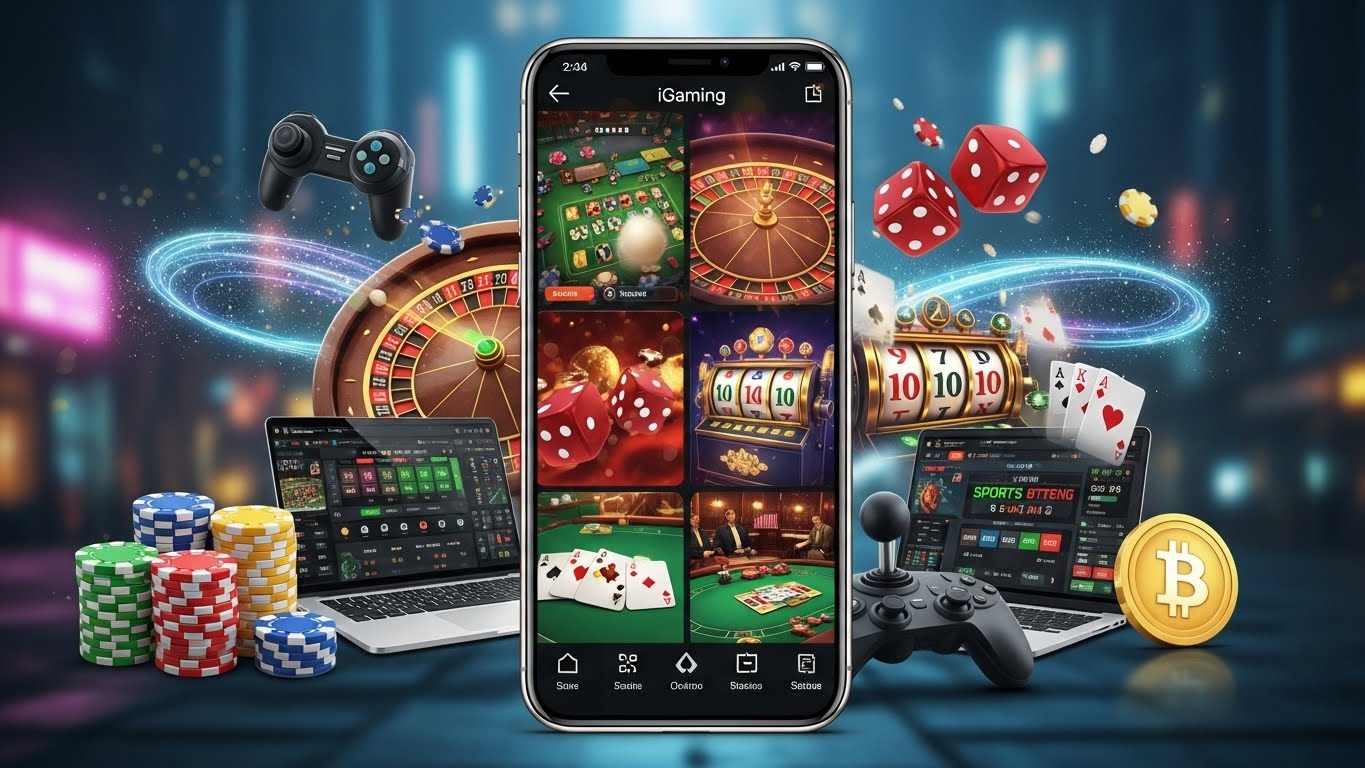
Card games hold a special place in gaming culture. They balance chance with skill, challenging players to make decisions based on probability and psychology. Poker, bridge, and blackjack are as much about reading opponents as they are about the cards in hand.
Card games are also social equalizers. They can be played anywhere, requiring minimal equipment but maximum engagement. Beyond entertainment, they teach emotional control, risk assessment, and strategic thinking. Whether casual or competitive, card games have remained timeless because they appeal to both intellect and instinct.
The Digital Revolution: The Birth of Video Games
The twentieth century introduced one of the most transformative innovations in human entertainment—the video game. Early creations like Pong, Space Invaders, and Pac-Man captivated players with simple mechanics and addictive gameplay. These pixelated beginnings sparked a global revolution that would change how people experienced play.
The 1980s and 1990s saw the golden age of gaming. Consoles like the Nintendo Entertainment System, Sega Genesis, and PlayStation transformed living rooms into playgrounds. Iconic characters such as Mario, Sonic, and Link became cultural icons. Video games evolved into storytelling mediums, combining art, music, and interactivity in ways no other form could.
The Power of Storytelling in Games
Modern games are not just about winning or losing—they are about experiences. They tell stories that move players emotionally and intellectually. Titles such as The Legend of Zelda, Final Fantasy, and The Last of Us weave complex narratives filled with adventure, loss, and triumph.
Interactive storytelling makes gaming unique. Players do not merely observe—they participate, making choices that shape the world and outcome. This level of immersion creates empathy and connection, turning games into powerful storytelling platforms that rival literature and cinema.
The Rise of Online and Multiplayer Gaming
The advent of the internet redefined the meaning of play. Online games broke down geographical barriers, allowing people to connect, collaborate, and compete globally. Multiplayer titles such as Counter-Strike, World of Warcraft, and Fortnite have created massive virtual communities.
These digital worlds are more than just games—they are social spaces. Players form friendships, alliances, and rivalries. They communicate, strategize, and share experiences. Online gaming has evolved into a cultural phenomenon, with millions tuning in to watch live matches, tournaments, and esports competitions.
Esports: The New Age of Competition
Esports has transformed gaming into a professional pursuit. What began as small local tournaments has grown into a billion-dollar industry with international championships and celebrity players. Games like League of Legends, Dota 2, and Valorant have turned skilled gamers into global icons.
Esports events draw massive crowds, both online and in-person, rivaling traditional sports in viewership and production value. Players train rigorously, study opponents, and strategize as professional athletes do. The rise of esports demonstrates that gaming is no longer a hobby—it’s a legitimate career path and a form of entertainment that unites millions.
The Psychology of Gaming
At its core, gaming taps into fundamental aspects of human psychology. It offers challenge, reward, and progress. Players experience a sense of accomplishment when completing missions, solving puzzles, or mastering mechanics. This sense of achievement triggers dopamine release, making gaming deeply satisfying.
Games also offer a safe space for experimentation. Players can take risks, fail, and learn without real-world consequences. Role-playing games allow individuals to explore different identities, while cooperative games foster teamwork and empathy. However, balance is key—healthy gaming enriches life, but excessive play can disrupt it.
Educational Games and Learning Through Play
Education and gaming are more closely connected than ever before. Educational games use play to teach concepts in mathematics, science, history, and language. They make learning interactive and enjoyable, turning abstract lessons into tangible experiences.
For example, simulation games teach resource management, problem-solving, and decision-making. Strategy games improve critical thinking and planning, while puzzle games sharpen logic and focus. The principles of gamification—using rewards, levels, and challenges—are now applied across education and business to boost motivation and engagement.
Games and Technology: A Partnership of Innovation
Gaming has always driven technological progress. High-performance graphics, artificial intelligence, virtual reality, and motion-sensing technologies were pioneered through gaming innovation. Every new generation of consoles and computers pushes the boundaries of what is possible.
Virtual reality and augmented reality have opened new frontiers, allowing players to step inside the game. Artificial intelligence creates more realistic opponents and dynamic environments. Cloud gaming removes hardware limitations, making high-end experiences accessible to everyone. As technology evolves, games continue to redefine how humans interact with digital worlds.
Mobile Gaming: Play in Your Pocket
Mobile gaming has democratized access to play. With smartphones and tablets, anyone can enjoy gaming regardless of age or experience. Simple yet addictive games like puzzle titles, adventure apps, and strategy simulators have turned casual players into lifelong gamers.
Mobile games also promote inclusivity. They reach people who might never buy a console or gaming PC. Despite being portable and accessible, many mobile games now rival traditional ones in quality, depth, and storytelling. The rise of mobile gaming has expanded the global gaming audience beyond expectations.
Games as a Cultural Mirror
Games reflect the values, aspirations, and challenges of the societies that create them. Historical games explore past civilizations, while futuristic games imagine what lies ahead. Social and political themes appear in narratives, encouraging players to reflect on real-world issues such as morality, war, and identity.
Cultural diversity in gaming has grown significantly. Developers from around the world now share their perspectives through interactive storytelling, blending art, folklore, and tradition. Games have become cultural artifacts, preserving and communicating the human experience in digital form.
The Economic Power of Games
The gaming industry is one of the most profitable entertainment sectors in the world. It surpasses film and music in revenue, employing millions across development, design, marketing, and production. Games drive hardware innovation, digital economies, and new forms of media consumption.
Beyond entertainment, games fuel creativity and entrepreneurship. Independent developers and small studios produce innovative experiences that challenge industry norms. Streaming, content creation, and esports careers have also emerged, proving that gaming can be both a passion and a profession.
The Emotional Side of Games
Games are not just about action or competition—they can evoke deep emotions. Players experience joy, excitement, sadness, fear, and nostalgia through interactive storytelling and immersive worlds. Emotional design in gaming builds empathy and creates memorable experiences.
Games such as Journey or Life Is Strange demonstrate how interactivity can enhance emotional storytelling. By allowing players to make choices and face consequences, games foster personal investment and connection that traditional media cannot replicate.
The Future of Games: Boundless Possibilities
The future of gaming promises to be even more dynamic and inclusive. Artificial intelligence, cloud computing, and advanced graphics will create worlds of unprecedented realism. Players will experience deeper immersion through virtual and augmented reality.
Games will continue expanding beyond entertainment—into education, therapy, and art. They will help develop soft skills like teamwork, empathy, and leadership. Accessibility will improve, ensuring everyone, regardless of ability, can enjoy gaming. The line between reality and play will blur, making games a central element of everyday life.
Conclusion: Why Games Matter
Games are not trivial distractions—they are reflections of human creativity and connection. They challenge the intellect, awaken imagination, and bring joy. They teach lessons of patience, strategy, and empathy. Whether digital or physical, solo or multiplayer, games remind us that play is a fundamental part of what makes us human.
As technology and society continue to evolve, games will remain a powerful force shaping how we learn, socialize, and dream. From ancient stones carved into boards to virtual realities powered by algorithms, games embody humanity’s endless desire to create, compete, and connect. The world of games is infinite, and the play never truly ends.