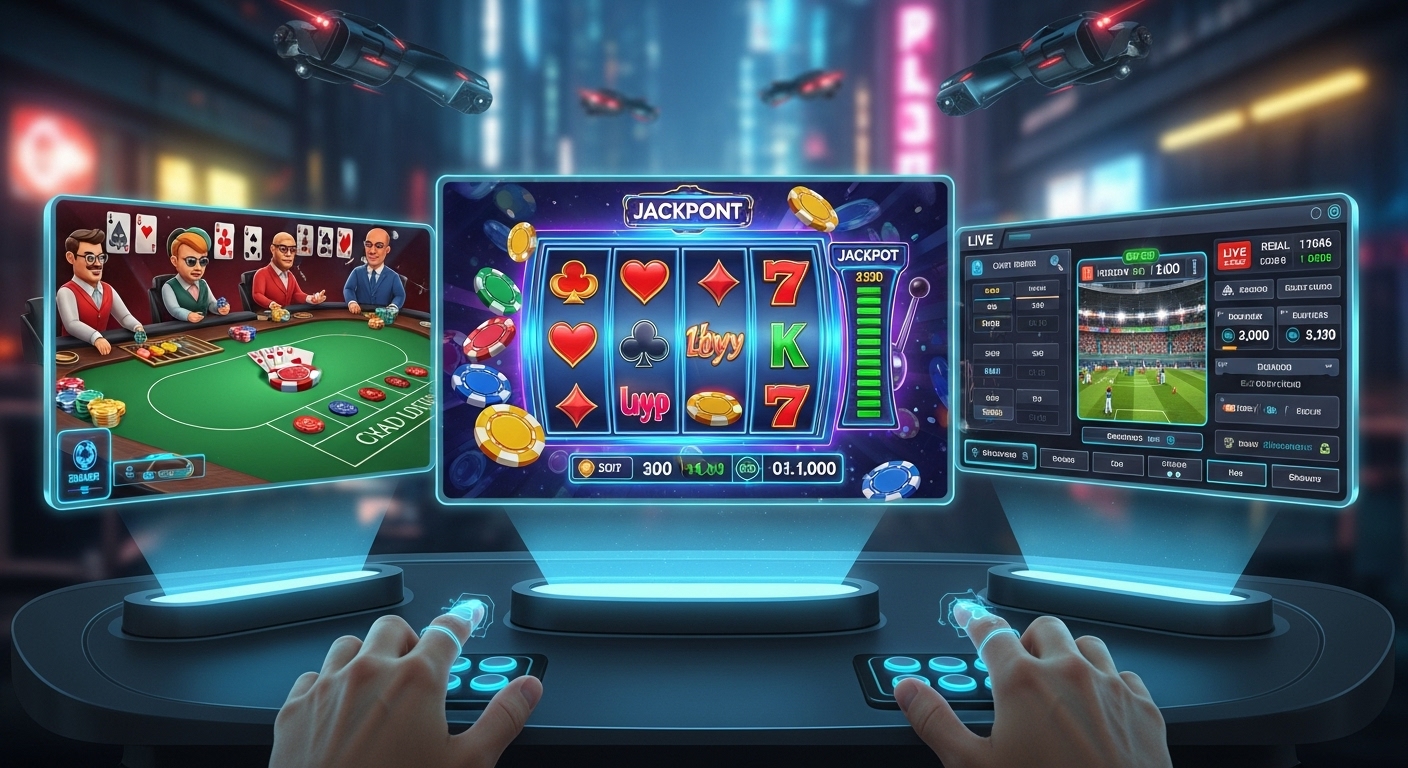







In the past decade, the way people engage with gambling has undergone a profound transformation. The rise of iGaming—the umbrella term for online gambling activities—has reshaped the global gambling landscape. From online casinos and sports betting to virtual poker rooms and eSports betting, iGaming has quickly become a dominant force in the entertainment industry. In this post, we explore how iGaming is changing the world of gambling, the factors fueling its growth, and what the future holds for this exciting sector.
What is iGaming?
At its core, iGaming refers to any form of gambling that is facilitated through the internet. This includes a wide variety of activities, such as online casino games, sports betting, poker, bingo, and even newer forms like fantasy sports and eSports betting. Unlike traditional casinos, which require players to physically visit a location to gamble, iGaming allows users to participate in these activities from the comfort of their own homes—or anywhere with an internet connection.
The world of iGaming began in the mid-1990s with the creation of online casinos, and since then, it has experienced exponential growth. Technological advancements and a shifting regulatory landscape have made it easier for both players and operators to get involved in online gambling, and this growth shows no signs of slowing down.
Key Factors Driving the Growth of iGaming
The rapid expansion of iGaming can be attributed to several key factors that have come together in recent years. These include technological advances, changing social attitudes toward gambling, and increasing regulatory support for online gambling markets. Let’s take a closer look at each of these drivers.
Technological Advancements
One of the main reasons for iGaming’s success is the technological innovations that have made online gambling more accessible, immersive, and enjoyable. High-speed internet, mobile technology, and sophisticated gaming software have significantly improved the overall user experience. With faster internet speeds, players can engage in live-dealer games, participate in real-time poker tournaments, and place sports bets without delays or interruptions.
Additionally, mobile technology has played a huge role in the rise of iGaming. The widespread use of smartphones and tablets has made it possible for players to gamble wherever and whenever they want. Whether it’s during a commute, on vacation, or from the comfort of their living room, iGaming has become a more mobile-friendly experience than ever before.
Changing Attitudes Toward Gambling
Social perceptions of gambling have changed dramatically in recent years. Once seen as a taboo or illicit activity, gambling is now widely accepted as a form of entertainment. This shift in attitude, coupled with greater access to online gambling platforms, has helped iGaming become a mainstream activity.
Younger generations, in particular, are driving this change. With an increased familiarity with technology, this demographic is more inclined to embrace digital platforms for entertainment, including online gambling. The convenience, ease of access, and variety of games available make iGaming particularly attractive to this group.
Regulatory Changes and Legalization
Another important factor contributing to the growth of iGaming is the shift in global regulations. Many governments, particularly in Europe, North America, and parts of Asia, have begun to recognize the economic potential of iGaming and have introduced regulations that legalize and oversee online gambling activities. As more regions implement comprehensive regulations, online gambling has become a safer, more legitimate industry.
In places where iGaming is legalized and regulated, operators must meet certain standards for fairness, security, and responsible gambling. This helps protect players and ensures a level of transparency that is crucial for building trust in online gambling platforms.
The iGaming Experience: What Sets It Apart?
One of the reasons iGaming has gained such widespread appeal is the sheer variety and flexibility it offers. Online platforms are designed to cater to players of all preferences, whether they enjoy high-stakes poker tournaments, casual slots, or sports betting. Let’s dive into some of the most popular types of iGaming activities.
Online Casinos
Online casinos are the cornerstone of the iGaming industry. They offer a vast array of games, including slots, table games, and card games like blackjack, roulette, and baccarat. What sets these platforms apart is their ability to mimic the excitement and social aspects of traditional casinos while offering players the flexibility to play from anywhere.
Live dealer games have been a major innovation in this space. These games are broadcast in real time from professional studios, allowing players to interact with human dealers and other participants. This adds an immersive element to online casinos, making them feel more like traditional brick-and-mortar establishments.
Sports Betting
Sports betting is one of the most popular forms of iGaming, with millions of fans placing bets on a variety of events, from major leagues like the NFL and Premier League to niche sports and eSports tournaments. The rise of mobile technology has made sports betting even more accessible, allowing users to place bets while on the move or watching games live.
Live sports betting has also taken off in recent years. This allows players to place wagers on events as they unfold, making the experience more engaging and interactive. Whether it’s betting on the outcome of a football game or the number of goals scored in a hockey match, live betting is an exciting development in the sports gambling world.
eSports Betting
eSports, or competitive video gaming, has grown into a massive global phenomenon. Millions of viewers tune in to watch professional gamers compete in tournaments, and this popularity has translated into a burgeoning betting market. iGaming platforms now offer odds on major eSports events, allowing fans to wager on the outcomes of games like League of Legends, Dota 2, and Counter-Strike: Global Offensive.
The rise of eSports betting has brought a younger, more tech-savvy audience into the world of online gambling. Many of these players are familiar with gaming culture, which makes eSports betting an attractive and natural extension of the iGaming experience.
The Future of iGaming: Innovations on the Horizon
The future of iGaming is incredibly bright, with ongoing technological advancements and evolving market trends that promise to keep the industry exciting. Here are some of the key developments that could shape the next phase of iGaming:
Virtual Reality (VR) Casinos
One of the most anticipated innovations in iGaming is the development of VR casinos. Virtual reality technology allows players to experience gambling in a fully immersive environment, complete with 3D avatars, virtual dealers, and realistic casino settings. As VR technology becomes more affordable and accessible, it’s likely to redefine how players experience online gambling, creating a more lifelike, interactive atmosphere.
Artificial Intelligence (AI) and Personalization
AI will play a crucial role in the evolution of iGaming by enabling operators to deliver more personalized experiences. AI can analyze player behavior, preferences, and gaming habits to offer tailored game recommendations, bonuses, and promotions. Additionally, AI-powered chatbots can provide real-time customer support, improving the overall user experience.
Cryptocurrency and Blockchain Integration
Cryptocurrency is already being integrated into the iGaming world, with many platforms accepting digital currencies like Bitcoin and Ethereum for deposits and withdrawals. The use of cryptocurrency offers players faster transactions, greater privacy, and lower fees. Moreover, blockchain technology can enhance transparency and fairness by providing immutable records of all transactions and gaming results.
Ensuring Responsible Gambling
As iGaming continues to grow, the importance of responsible gambling practices becomes even more critical. Many platforms now offer tools and resources to help players manage their gambling habits, such as self-exclusion options, spending limits, and time management features. Responsible gambling initiatives aim to promote a safe environment where players can enjoy the entertainment value of iGaming without falling into harmful patterns.
Conclusion: A Thriving Digital Industry
iGaming is undoubtedly one of the most exciting and rapidly growing sectors in the global entertainment industry. With technological advancements, changing social attitudes, and a favorable regulatory environment, the iGaming market is positioned for continued growth. As new innovations like VR casinos and AI-powered personalization emerge, the online gambling experience will only become more immersive and engaging.
For players, iGaming offers unparalleled convenience, variety, and excitement, all while providing the ability to gamble from anywhere in the world. However, as with any industry, responsible gambling should remain a top priority, ensuring that the iGaming boom benefits both operators and players in a safe and sustainable way.
As the digital gambling revolution continues, the future of iGaming looks brighter than ever. Whether you’re a seasoned gambler or a newcomer, there’s never been a better time to explore the exciting world of online gambling.