





Introduction to the World of Gaming
Gaming has evolved from a niche hobby into one of the most powerful and influential entertainment industries in the world. What began as simple pixels on a screen has grown into immersive virtual worlds, competitive arenas, and vast online communities that connect millions globally. From arcade classics to high-end consoles, from handheld devices to cloud-based gaming platforms, the gaming industry’s growth represents not just technological advancement but also cultural transformation. It has become a medium that blends art, storytelling, technology, and social interaction in ways no other form of entertainment can match.
In this blog, we will explore how gaming has evolved, the different genres that define it, the rise of competitive esports, the technological innovations driving the industry forward, and what the future of gaming may hold.
The Birth of Video Games
The origins of gaming can be traced back to the mid-20th century when computer scientists began experimenting with interactive programs. One of the earliest known video games was “Tennis for Two,” created in 1958, followed by “Spacewar!” in the 1960s. However, the gaming revolution truly began in the 1970s with the release of arcade classics like Pong and Space Invaders. These games introduced the idea that interactive entertainment could attract large audiences and generate significant profits.
As home consoles emerged, companies like Atari and Nintendo became household names. The release of the Nintendo Entertainment System (NES) in the 1980s revitalized the gaming industry after the video game crash of 1983, setting the stage for decades of growth. It was during this time that iconic franchises such as Super Mario Bros., The Legend of Zelda, and Metroid were born, forever shaping the landscape of gaming.
The Rise of Consoles and PCs
The 1990s and early 2000s marked a golden era for both console and PC gaming. The competition between Sega, Nintendo, Sony, and later Microsoft led to rapid advancements in graphics, gameplay mechanics, and storytelling. Consoles like the PlayStation 2, Xbox, and GameCube introduced 3D graphics and cinematic experiences that captivated gamers worldwide.
At the same time, PC gaming began to rise with the popularity of titles such as Doom, StarCraft, and Counter-Strike. PCs allowed players to modify games, engage in online multiplayer, and experience genres like real-time strategy and simulation that were not as common on consoles. This dual evolution of console and PC gaming created diverse experiences for players and pushed the boundaries of what was technologically possible.
Online Gaming and the Power of Connectivity
The late 1990s and early 2000s also marked the beginning of the online gaming revolution. Internet connectivity allowed players to compete and collaborate globally, transforming gaming from an isolated activity into a social phenomenon. Multiplayer games like World of Warcraft, Halo 2, and Runescape became global communities where millions of players could interact in real-time.
Online gaming also gave rise to digital distribution platforms like Steam, which revolutionized how games were sold and updated. The concept of downloading games directly to your system eliminated the need for physical media and gave indie developers a platform to reach worldwide audiences.
The social aspect of gaming has continued to grow through platforms like Discord, Twitch, and integrated console communities, where players can chat, share experiences, and even make a living by streaming or competing professionally.
The Expansion of Mobile Gaming
The introduction of smartphones brought another revolution to gaming. What began with simple titles like Snake on early cell phones evolved into a massive global industry with games such as Angry Birds, Clash of Clans, and PUBG Mobile. Mobile gaming has made gaming more accessible than ever before, allowing people to play anytime, anywhere.
With billions of smartphone users worldwide, mobile games have become a dominant force, often surpassing console and PC games in terms of revenue. The convenience and accessibility of mobile gaming attract players from all age groups, making it the most inclusive form of gaming to date.
The Emergence of Esports
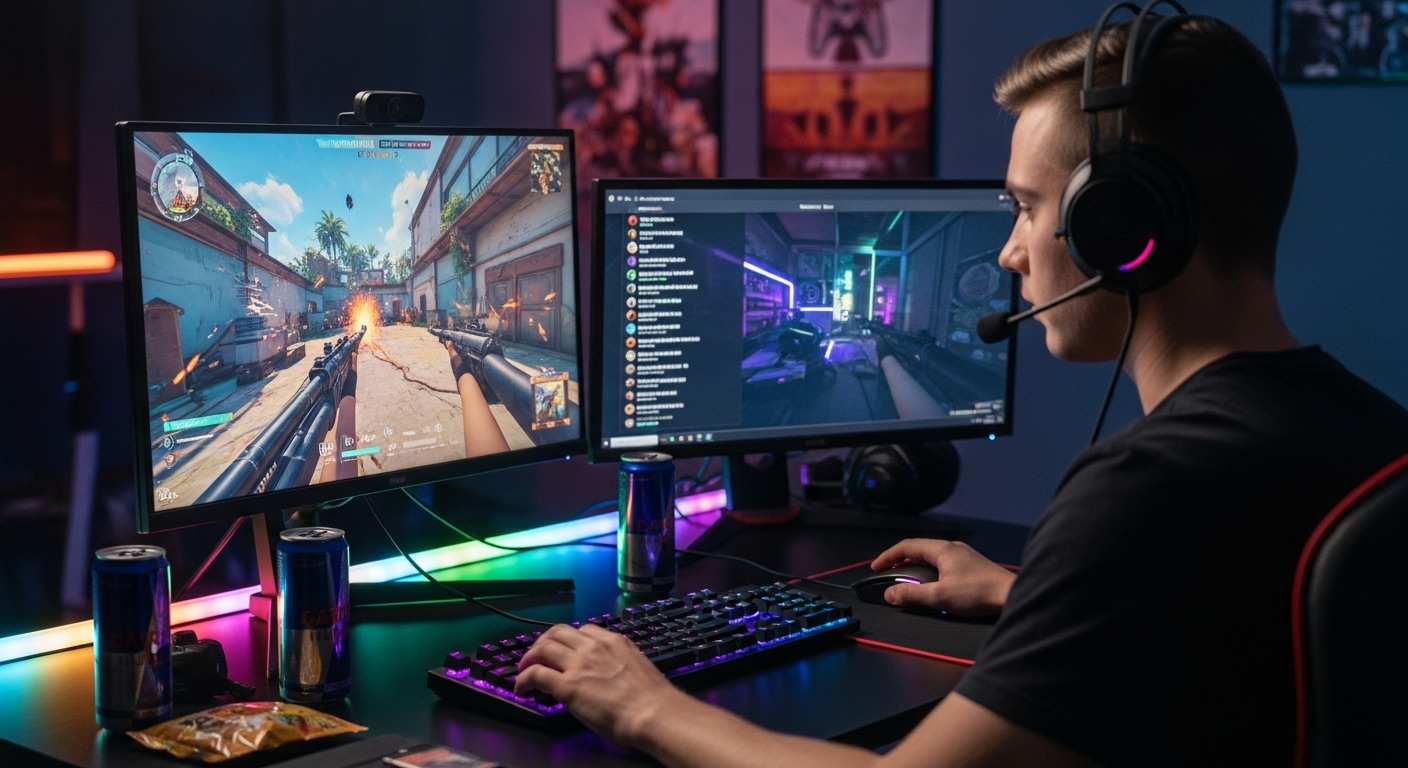
Esports, or competitive gaming, has transformed gaming into a spectator sport. What was once considered a hobby is now a profession for thousands of players around the world. Competitive titles like League of Legends, Dota 2, Fortnite, and Counter-Strike: Global Offensive attract millions of viewers to live tournaments with multi-million-dollar prize pools.
Esports organizations, sponsorships, and streaming platforms have created a thriving ecosystem that mirrors traditional sports. Players are scouted, trained, and managed like athletes, and fans follow their favorite teams with the same passion seen in soccer or basketball. Esports has also opened career opportunities beyond gameplay, including casting, event production, and analytics.
Game Design and Storytelling Innovation
Modern video games are no longer limited to simple objectives or arcade-style mechanics. They have evolved into powerful storytelling tools capable of evoking deep emotional responses. Games like The Last of Us, Red Dead Redemption 2, and God of War have shown that interactive storytelling can rival, and sometimes surpass, the narrative depth of films and books.
Developers use advanced graphics, cinematic direction, and character-driven narratives to create immersive experiences. The rise of choice-based games like Detroit: Become Human and Life is Strange demonstrates how players can influence story outcomes, making them active participants rather than passive observers.
Art direction has also become a major element in gaming, with visual styles ranging from hyper-realistic to beautifully stylized. Music and sound design enhance emotional immersion, creating memorable experiences that stay with players long after the game ends.
Virtual Reality and Augmented Reality in Gaming
Virtual Reality (VR) and Augmented Reality (AR) represent the next frontier of gaming innovation. VR headsets such as the Oculus Quest and PlayStation VR have introduced new levels of immersion, allowing players to step directly into the game world. Titles like Beat Saber and Half-Life: Alyx showcase the potential of VR to redefine gameplay and interaction.
AR, on the other hand, merges the real and virtual worlds. Games like Pokémon GO demonstrated how AR can turn the world around you into a game environment. As technology continues to improve, these forms of gaming are expected to become more accessible and realistic, offering experiences beyond the limits of traditional screens.
Cloud Gaming and Streaming Services
Cloud gaming is reshaping the way games are played and delivered. Instead of requiring powerful hardware, cloud gaming allows users to stream games directly from servers over the internet. Services like Xbox Cloud Gaming and NVIDIA GeForce Now make it possible to play high-end titles on low-spec devices, expanding accessibility to millions of players.
This technology eliminates the need for large downloads and constant upgrades, making gaming more flexible. The success of streaming services also suggests a future where gaming subscriptions, much like movie and music streaming, become the dominant business model.
The Role of Artificial Intelligence in Gaming
Artificial Intelligence (AI) has become integral to modern game design. AI is used to create smarter non-player characters (NPCs), adaptive difficulty levels, and realistic behaviors. Games now feature enemies that learn from player actions, creating dynamic and unpredictable challenges.
AI also assists developers in optimizing performance, testing gameplay, and generating environments or narratives. In the future, AI could even create games autonomously, adjusting experiences in real-time based on player emotions and preferences.
Gaming Communities and Social Interaction
Gaming has fostered vast global communities that transcend geographical boundaries. Players connect through guilds, online forums, and live streaming platforms to share their experiences. These communities often evolve into social networks where friendships are built and maintained through shared passion.
Gaming conventions, fan events, and tournaments further strengthen this sense of belonging. Titles with cooperative gameplay encourage teamwork and communication, making gaming a social experience rather than an isolated one.
Economic Impact of the Gaming Industry
The gaming industry has become one of the largest and most profitable sectors in entertainment, surpassing both the movie and music industries combined. Game sales, digital marketplaces, in-game purchases, and esports sponsorships generate billions annually.
Game development has also become a global profession, with studios and independent creators contributing to an ever-growing marketplace. The industry’s economic influence extends to hardware manufacturing, content creation, and even education, where game design and development are now recognized academic fields.
The Challenges in the Gaming World
Despite its success, the gaming industry faces challenges such as crunch culture, online toxicity, addiction concerns, and monetization controversies. Developers and companies are now being held accountable for fair working conditions and ethical business practices.
Mental health awareness within gaming communities is also growing, as competitive environments and excessive playtime can take a toll on players. Efforts are being made to promote healthy gaming habits, inclusivity, and diversity across all levels of the industry.
The Future of Gaming
Looking ahead, the future of gaming promises even greater innovation and integration with emerging technologies. Artificial intelligence, blockchain systems, and more immersive hardware will continue to redefine what games can be. The line between reality and virtual worlds will blur further, creating interactive experiences unlike anything seen before.
Cross-platform play will unify players across devices, while procedural generation and real-time rendering will make game worlds vast and lifelike. The concept of the metaverse, where digital and real-life activities merge, could revolutionize not only gaming but also social interaction, education, and work.
Conclusion
Gaming has come a long way from its humble beginnings. What started as simple pixelated experiences has transformed into a dynamic, artistic, and technologically advanced global industry. It is a form of entertainment that continuously evolves, adapts, and inspires creativity.
Whether through immersive storytelling, competitive play, or social connection, gaming has become a reflection of human imagination and innovation. As technology continues to advance, the possibilities for gaming are endless, ensuring that this digital revolution remains one of the most exciting and transformative cultural movements of our time.
In the end, gaming is more than just playing—it is a way of experiencing stories, building communities, and exploring the endless potential of the human mind. The future of gaming is bright, bold, and boundless, and it continues to shape how we play, connect, and create.