






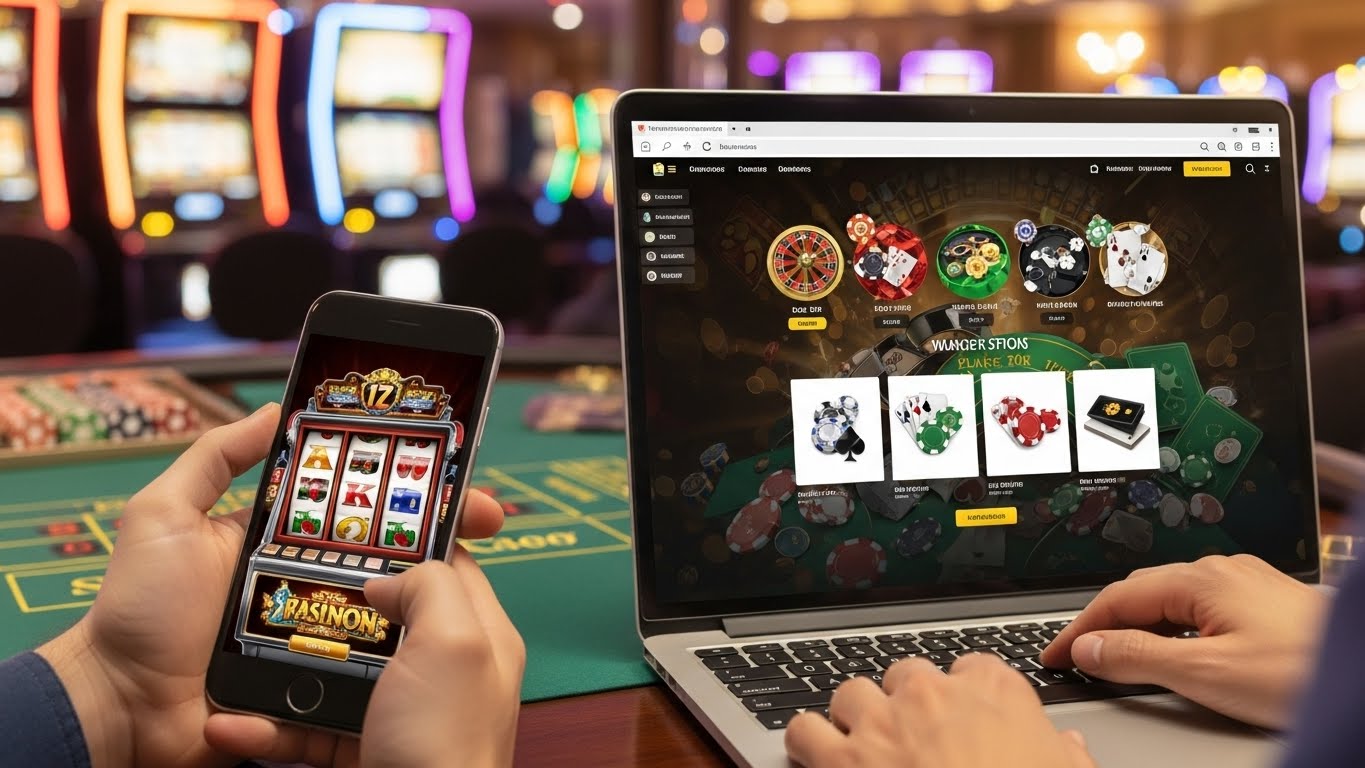
The iGaming industry has witnessed exponential growth in recent years, transforming the way we think about entertainment and gambling. What was once a niche form of entertainment has evolved into a global phenomenon, offering players everything from casino games to sports betting, poker, and even esports. But with this growth comes new challenges, opportunities, and innovations that continue to reshape the landscape of digital gaming and gambling.
In this blog post, we will delve into the world of iGaming, exploring its history, the key factors behind its growth, the technologies driving it forward, and the future prospects of the industry. Whether you are a casual gamer, a serious gambler, or someone interested in learning more about this booming industry, this guide will provide you with valuable insights.
What Is iGaming?
iGaming, short for interactive gaming, refers to the online version of gambling, where players engage in various forms of gaming via the internet. This includes online casino games, poker, sports betting, bingo, and newer forms such as virtual sports and esports betting. iGaming has rapidly evolved, incorporating a wide range of games and betting formats, allowing people to enjoy gaming experiences from the comfort of their own homes or on the go via mobile devices.
The rise of iGaming is largely attributed to the increasing accessibility of the internet, improvements in mobile technology, and the growing acceptance of online gambling in many jurisdictions. The term “iGaming” encompasses a wide variety of digital gambling options, from traditional table games to new, innovative gaming experiences.
The Evolution of iGaming
The roots of iGaming date back to the mid-1990s when the first online casinos were launched. In 1994, Microgaming, a software development company, introduced the first online casino software. This marked the beginning of what would soon become a global industry. Early online casinos offered limited games and basic graphics, but they were revolutionary in that they allowed players to access gambling opportunities from anywhere with an internet connection.
The rise of the internet paved the way for other forms of online gambling, including sports betting, poker, and bingo. In the late 1990s, online poker rooms began to appear, with the most notable being PokerStars and PartyPoker. These platforms allowed players to compete against each other in poker tournaments, offering a new level of excitement and interaction that was previously reserved for land-based casinos.
In the early 2000s, the expansion of broadband internet and advancements in web technologies allowed online casinos to offer more sophisticated graphics, interactive features, and a wider variety of games. The introduction of live dealer games further enhanced the iGaming experience, providing players with real-time, human interaction through live video streaming. By the mid-2010s, the iGaming industry had fully integrated mobile gaming, enabling users to play casino games, bet on sports, and enjoy poker from their smartphones and tablets.
Key Drivers Behind the Growth of iGaming
Several factors have contributed to the explosive growth of iGaming over the past few decades. These include advancements in technology, the rise of mobile gaming, the increasing popularity of esports, and the relaxation of gambling laws in various countries. Let’s take a closer look at some of the key drivers:
1. Technological Advancements
The continuous development of internet infrastructure, high-speed broadband, and powerful mobile devices has been instrumental in the growth of iGaming. Early online casinos relied on basic software that was often slow and prone to technical issues. Today, thanks to more advanced technologies, players can enjoy seamless gaming experiences, with high-quality graphics, immersive gameplay, and smooth streaming of live dealer games.
The rise of virtual reality (VR) and augmented reality (AR) also holds exciting prospects for the future of iGaming. VR casinos, where players can interact with a virtual environment and other players in 3D spaces, are already being developed. These innovations promise to take online gaming to new heights, offering an unprecedented level of immersion and social interaction.
2. The Mobile Gaming Revolution
The advent of smartphones and mobile apps has made iGaming more accessible than ever. Players can now place bets, play casino games, and participate in online poker tournaments wherever they are, thanks to mobile-compatible websites and dedicated gambling apps. Mobile gaming accounts for a large and growing portion of iGaming revenue, and as mobile technology continues to evolve, the potential for growth in this sector remains high.
With the advent of mobile payments and mobile wallets, transactions have also become faster, easier, and more secure, further driving the popularity of iGaming on mobile devices.
3. Legalization and Regulation
One of the significant factors behind the rise of iGaming is the gradual relaxation of gambling laws around the world. In the past, many countries had strict laws prohibiting online gambling. However, in recent years, a growing number of jurisdictions have opted to regulate online gaming rather than ban it. This has led to an increase in the number of legal and licensed operators in the market, providing players with a safer and more secure gambling environment.
In the United States, for example, the Supreme Court’s decision to overturn the Professional and Amateur Sports Protection Act (PASPA) in 2018 opened the door for legalized sports betting in several states. As of now, more states are considering legalizing online gambling, which will undoubtedly boost the industry’s growth in the coming years.
4. The Rise of Esports Betting
Esports has become a major global entertainment industry, with millions of fans watching professional gamers compete in titles like League of Legends, Dota 2, and Counter-Strike. Esports betting, where fans wager on the outcome of these competitive events, has quickly gained traction. Many iGaming operators now offer esports betting markets, allowing players to bet on individual matches, tournaments, and league standings.
As esports continues to grow, it’s expected that the demand for esports betting will increase, further diversifying the iGaming landscape and attracting a younger, tech-savvy audience.
Popular Forms of iGaming
iGaming encompasses a wide range of gambling options, each catering to different types of players. Here are some of the most popular forms of online gaming:
1. Online Casinos
Online casinos are the backbone of the iGaming industry. They offer a variety of traditional casino games such as blackjack, roulette, baccarat, and slots. These platforms also offer virtual versions of table games and live dealer games, where real human dealers interact with players in real time via video stream.
2. Sports Betting
Sports betting has long been a popular form of gambling, and the rise of online platforms has made it even more convenient. Players can now bet on virtually any sport, from football and basketball to tennis, horse racing, and more. In-play betting, where players can place wagers during the course of a live event, has also become increasingly popular.
3. Poker Rooms
Online poker has been a significant contributor to the growth of iGaming, with platforms like PokerStars, 888poker, and partypoker offering players the chance to compete in cash games and tournaments. Online poker offers a social and competitive environment, where players can interact with one another and test their skills against a global pool of participants.
4. Bingo and Lottery Games
Bingo and online lotteries have found a strong following in the iGaming world, with many players enjoying these games of chance for their simplicity and social elements. Online bingo rooms often feature chat functions, allowing players to interact with one another while playing.
Challenges Facing the iGaming Industry
While the iGaming industry has flourished, it faces several challenges that could affect its growth moving forward. These include:
1. Regulatory Uncertainty
Although many countries are moving toward the legalization and regulation of iGaming, there are still regions where online gambling remains illegal or heavily restricted. The legal landscape can be complex and varies widely from country to country, and even within different states or provinces. Regulatory uncertainty can create challenges for operators looking to expand their services into new markets.
2. Responsible Gambling
As iGaming continues to grow, so does the concern over problem gambling. The anonymity and accessibility of online gambling can make it easier for individuals to develop unhealthy gambling habits. Operators have a responsibility to promote responsible gambling practices, including offering self-exclusion options, deposit limits, and access to resources for those seeking help.
3. Security Concerns
With the increasing amount of personal and financial data being shared on iGaming platforms, cybersecurity is a growing concern. Hackers and cybercriminals target online casinos, poker rooms, and sports betting sites in an attempt to steal user information and funds. As the industry grows, so too must its focus on ensuring the security of players’ data and funds.
The Future of iGaming
Looking ahead, the future of iGaming appears bright, with numerous innovations on the horizon. Virtual reality, artificial intelligence, blockchain technology, and the continued expansion of esports betting are just a few of the areas that will shape the next phase of growth in the industry. As technology advances and more jurisdictions legalize and regulate online gambling, the iGaming market is expected to continue expanding, attracting new players and providing more diverse gaming experiences.
In conclusion, iGaming is an exciting and rapidly evolving industry that offers entertainment, excitement, and opportunities for players around the world. Whether you are a casual player or a serious gambler, the world of online gaming and gambling has something to offer. With advancements in technology, regulation, and market expansion, the future of iGaming is full of potential and promises to bring new experiences to players worldwide.