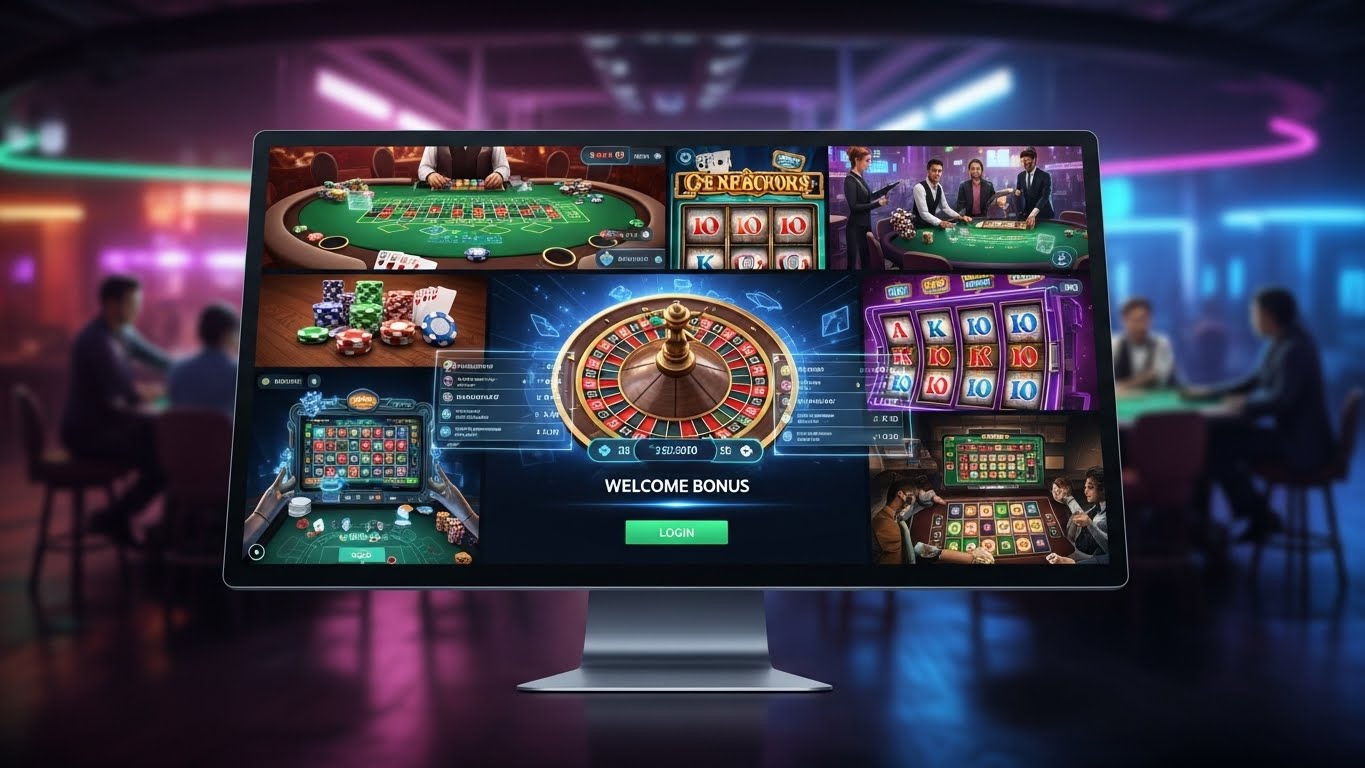







The world of gambling has evolved dramatically over the last few decades, and a significant part of that transformation has occurred in the realm of iGaming. Today, iGaming—encompassing everything from online casinos to sports betting and eSports—is an integral part of the entertainment landscape. As technology has advanced and consumer preferences have shifted, online gaming platforms have flourished, offering players new opportunities to experience thrilling gaming experiences at their fingertips. This blog post explores the rise of iGaming, its various components, the factors driving its growth, and what the future may hold for this dynamic industry.
What is iGaming?
At its core, iGaming refers to gambling or gaming activities conducted via the internet. Unlike traditional forms of gambling, which typically take place in physical casinos, iGaming enables players to participate in various gaming activities from the comfort of their own homes or on the go using their mobile devices. The term encompasses a broad range of online gaming formats, including:
- Online casinos: These platforms offer a virtual version of traditional casino games like slots, blackjack, roulette, baccarat, and poker.
- Sports betting: Players can bet on sports events, from football and basketball to horse racing, or even niche events like eSports.
- Online poker: Multiplayer poker games that allow players to compete against one another in cash games or tournaments.
- Fantasy sports: Players can create and manage virtual teams made up of real-life athletes, competing for prizes based on their team’s performance in real-world events.
- Bingo and lottery: Online bingo games and lottery-style games are popular in the iGaming world.
Essentially, iGaming combines the excitement of traditional gambling with the accessibility and convenience offered by the internet, attracting millions of players globally.
The Evolution of iGaming: From Humble Beginnings to a Global Industry
The Early Days of Online Gambling
The origins of iGaming date back to the mid-1990s when the internet first began to take off. In 1994, the first online gambling license was issued by the Caribbean nation of Antigua and Barbuda, paving the way for the launch of the world’s first online casino. However, the internet in the early days was slow, unreliable, and not yet trusted for financial transactions, so the concept of online gambling was initially met with skepticism.
Despite these challenges, the late 1990s saw the launch of several online gaming platforms, allowing players to enjoy casino-style games from their computers. But while online casinos were gaining traction, they were still limited by poor graphics, clunky interfaces, and the lack of secure payment options. Many early players were hesitant to deposit real money on unfamiliar websites due to concerns over security.
The Growth Surge of the 2000s
The 2000s marked a turning point for iGaming. As broadband internet access became more widespread, internet speeds improved dramatically, making it easier for players to stream games, place bets, and interact with other players online. This helped push iGaming into the mainstream, and online casinos and sports betting platforms grew exponentially.
Key developments in the 2000s included:
- Better software and game development: Companies like Microgaming and Playtech revolutionized the industry by developing sophisticated online casino games with improved graphics, animations, and user interfaces.
- The advent of secure payment methods: With the rise of secure online payment systems, such as PayPal and Neteller, players could safely deposit and withdraw money, greatly improving the trustworthiness of iGaming platforms.
- Mobile gaming: The introduction of smartphones and mobile apps allowed players to access iGaming platforms on the go, adding a new layer of convenience and accessibility to online gambling.
By the end of the 2000s, iGaming had firmly established itself as a global industry with a massive user base.
The Mobile and Live Casino Boom of the 2010s
As smartphones became ubiquitous in the 2010s, iGaming underwent another significant transformation. Mobile gaming grew in popularity as players could now enjoy their favorite games on a small screen wherever they were. The development of mobile-friendly platforms and the rise of mobile casino apps made it easier than ever for players to engage in iGaming while on the move.
At the same time, live dealer games emerged as a groundbreaking innovation in the iGaming space. Live dealer casinos use video streaming technology to bring real-time, live-action casino games to online players. This innovation helped bridge the gap between the virtual and physical casino experience. Players could now interact with live dealers and other participants, offering a more immersive and authentic experience than traditional RNG (random number generator) games.
The integration of cryptocurrencies such as Bitcoin also became a significant trend in the 2010s. Players and operators saw the benefits of using digital currencies, including fast transactions, enhanced privacy, and lower fees compared to traditional payment methods.
Key Elements of the iGaming Industry
Online Casinos
Online casinos are the backbone of the iGaming world, offering a wide range of traditional casino games, from slots to table games like blackjack, roulette, and baccarat. The variety of games available is a major draw for players, with thousands of options to choose from. Many online casinos also feature progressive jackpots, where players can win life-changing sums of money by hitting a lucky combination in a game.
An exciting trend in the online casino space is the growth of virtual reality (VR) casinos. VR technology allows players to step into fully immersive, 3D virtual environments where they can interact with other players and dealers, creating an experience that closely mimics the atmosphere of a brick-and-mortar casino.
Sports Betting
Sports betting has been a significant part of iGaming for decades, and it continues to grow in popularity. Players can wager on a variety of sports, ranging from mainstream games like football, basketball, and baseball to niche sports like cricket, rugby, and eSports.
The ability to bet on live events in real-time has become a game-changer in sports betting. This form of in-play betting allows players to place wagers as games progress, adding an extra layer of excitement and interaction. Additionally, eSports betting has exploded in recent years, with millions of fans placing bets on video game competitions such as League of Legends, Dota 2, and Counter-Strike: Global Offensive.
Online Poker
Poker has always been a beloved pastime for gamblers, and online poker has successfully brought the game to a global audience. Online poker platforms host multiplayer games and tournaments, including the prestigious World Series of Poker (WSOP), which is now accessible to players worldwide.
What sets online poker apart from other forms of iGaming is the level of strategy and skill involved. Unlike slot machines or roulette, poker requires players to understand the nuances of betting, bluffing, and reading opponents, making it a competitive and intellectually stimulating game.
Responsible Gambling and Regulation
With the growth of the iGaming industry, responsible gambling has become a major focus for operators, regulators, and players alike. Many iGaming platforms offer tools to help players manage their gambling habits, such as self-exclusion options, deposit limits, and links to support organizations for problem gambling.
The regulatory environment for iGaming varies widely across countries. In some regions, like the European Union and the United Kingdom, online gambling is strictly regulated to ensure player safety and fairness. In other areas, like parts of the United States and Asia, online gambling may still be prohibited or only partially regulated, leading to a patchwork of laws and enforcement measures.
The Future of iGaming
Integration of Artificial Intelligence (AI)
AI has the potential to revolutionize iGaming by enhancing game development, player experience, and fraud detection. Machine learning algorithms can be used to analyze player behavior, offering personalized recommendations and customized gaming experiences. AI can also help detect problem gambling by identifying patterns of behavior that suggest an addiction, allowing operators to intervene early.
Virtual Reality (VR) and Augmented Reality (AR)
The future of iGaming is expected to be heavily influenced by virtual reality (VR) and augmented reality (AR). VR casinos could provide even more immersive, lifelike gaming experiences, while AR could be used to create innovative mobile gaming formats. These technologies will allow players to step into fully interactive, 3D gaming environments, blurring the lines between the virtual and physical worlds.
Blockchain and Cryptocurrencies
Blockchain technology has already begun to make waves in iGaming, and its potential is far-reaching. Blockchain can enhance security, ensure transparency, and enable faster, cheaper transactions. Cryptocurrencies, such as Bitcoin and Ethereum, are likely to become even more integrated into iGaming platforms, giving players more choices for secure, anonymous transactions.
Expansion into New Markets
As more countries relax their regulations on online gambling, iGaming is expected to continue expanding into new markets. The United States, Canada, Japan, and parts of Latin America have already seen growth in the legalization of online gambling, with more nations likely to follow suit in the coming years.
Conclusion
The iGaming industry has come a long way since its inception, and it continues to evolve at a rapid pace. With technological advancements, regulatory changes, and shifting consumer preferences, iGaming is poised to remain a dominant force in the global entertainment landscape. Whether through online casinos, sports betting, poker, or other gaming formats, the opportunities for players to engage in iGaming are virtually limitless. As we look ahead, it’s clear that the future of iGaming will be shaped by innovation, responsible gambling practices, and an increasing demand for immersive, interactive experiences. The revolution has just begun, and the best is yet to come.