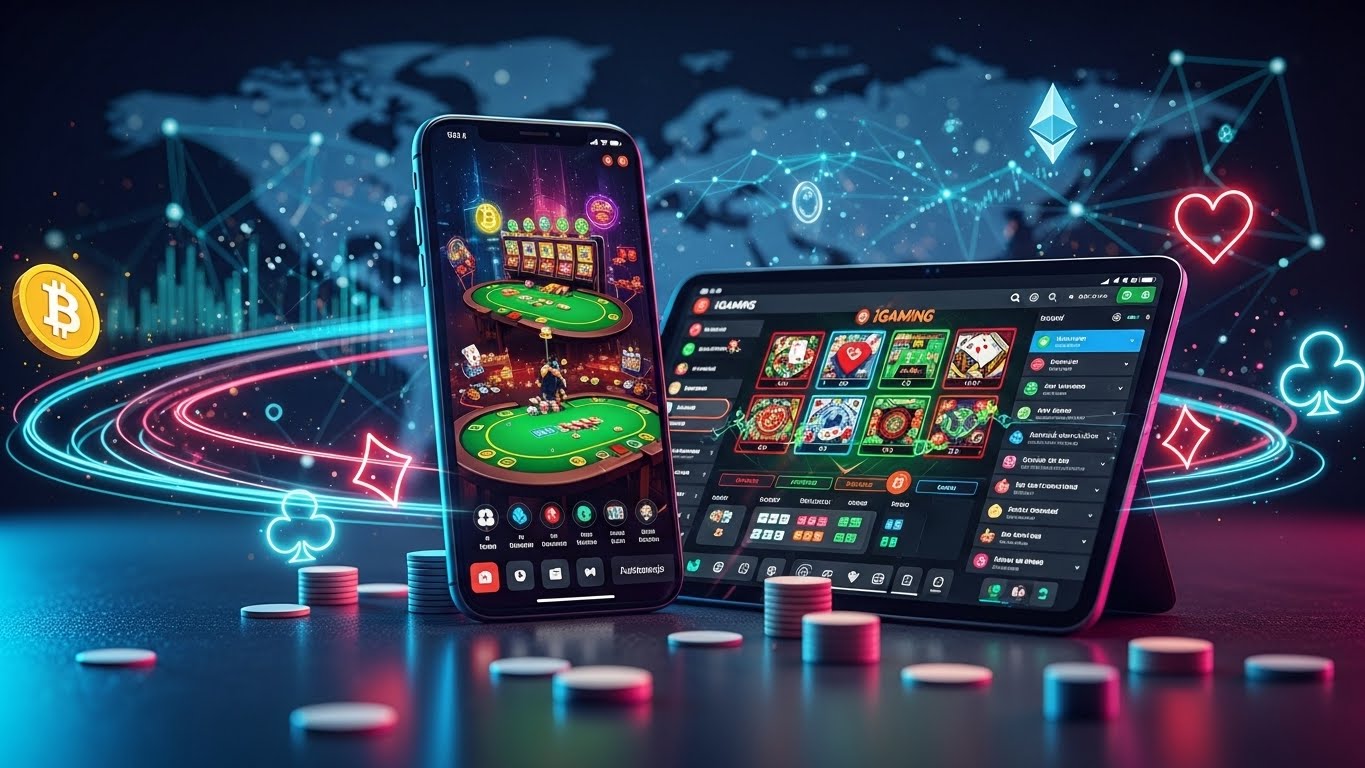







The world of online gaming, or iGaming, has rapidly evolved from a niche sector to a global phenomenon, impacting millions of players and changing the landscape of digital entertainment. The growth of iGaming—combining video games, sports betting, online casinos, and various types of virtual gambling—has ushered in new opportunities for players, developers, and businesses alike. In this blog post, we will explore the world of iGaming, its history, the technologies driving it, and its future.
What is iGaming?
iGaming refers to the act of playing games for real money or prizes through the internet. The term broadly covers all forms of online gambling, including but not limited to online casino games, sports betting, poker, and lottery games. While many people associate iGaming with casinos, it encompasses a wide range of virtual gambling experiences, from traditional table games like blackjack and roulette to newer forms such as esports betting and virtual sports.
The convenience of being able to play anytime, anywhere, has propelled iGaming to one of the most profitable industries in the world, valued in the billions of dollars annually.
The Rise of iGaming: A Brief History
The history of iGaming dates back to the mid-1990s, when the first online casinos were launched. In 1994, Antigua and Barbuda passed a law that allowed licenses to be issued to online gaming companies, paving the way for the establishment of virtual gambling platforms. The launch of Microgaming’s software in 1994 is considered one of the most significant milestones, as it powered the first online casinos and brought real-money gaming to the internet.
Throughout the late 1990s and early 2000s, the internet saw a significant boom in online poker rooms, betting sites, and the creation of virtual casino games. The legal landscape, however, was far from clear. Various countries adopted differing attitudes toward online gambling, which led to inconsistent regulations across regions. Despite this, the popularity of online gambling continued to rise, fueled by improvements in internet speeds, graphics, and the development of secure payment methods.
The 2010s marked a period of rapid growth, with iGaming expanding its footprint globally. In many parts of the world, the legalization of online sports betting and casino games opened new markets and led to a boom in investment and innovation. Today, iGaming is an integral part of the online entertainment landscape, with millions of players globally.
Popular Types of iGaming
- Online Casino Games
Online casinos are perhaps the most recognizable form of iGaming. These platforms allow players to enjoy classic casino games like blackjack, poker, baccarat, and roulette, along with a wide variety of slots. The appeal of online casinos lies in their ability to recreate the immersive atmosphere of a physical casino from the comfort of one’s home. Live dealer games, powered by advanced video streaming technology, enable players to interact with professional dealers in real time, enhancing the overall experience.
- Sports Betting
Sports betting is another dominant segment of the iGaming industry. It involves placing bets on the outcome of sporting events, ranging from popular games like football, basketball, and horse racing to niche sports like esports. The growth of mobile technology and live streaming has significantly enhanced the appeal of sports betting, enabling players to place bets during live events. The legalization of sports betting in several U.S. states has been a game-changer, contributing to the industry’s explosive growth.
- Esports Betting
Esports betting is a relatively new and rapidly growing segment of iGaming. Esports refers to organized, multiplayer video game competitions, particularly between professional players, teams, and spectators. Games like League of Legends, Dota 2, and Counter-Strike have created an entirely new form of competitive entertainment. Esports betting allows fans to wager on the outcomes of these tournaments, and the popularity of esports as a spectator sport has resulted in a surge of interest in esports gambling.
- Online Poker
Online poker has long been a staple of the iGaming industry. While traditional poker is played in physical casinos, the internet has opened up the game to a much wider audience. Online poker rooms allow players to compete against others from around the world, with a variety of game types and stakes to suit all skill levels. The rise of poker streaming on platforms like Twitch has further fueled interest in the game, turning poker into a highly popular online activity.
- Virtual Sports
Virtual sports have emerged as an exciting new genre within iGaming. These are computer-generated sports events that simulate real-life sporting action. Players can bet on virtual football, horse racing, or other sports, and the outcomes are determined by algorithms rather than real-world events. Virtual sports are available 24/7, making them an attractive option for bettors looking for constant action.
Technology Behind iGaming
The iGaming sector is highly dependent on advanced technology to deliver seamless experiences for players. A variety of technologies drive the growth and innovation of this industry, ensuring that the games are fair, secure, and immersive. Below are some of the key technologies that power iGaming:
- Random Number Generators (RNGs)
RNGs are used to ensure fairness in online casino games, such as slot machines, blackjack, and roulette. These algorithms generate random outcomes for each game, ensuring that players are not given an unfair advantage. RNGs are a vital part of the iGaming infrastructure, as they ensure that the games are not rigged and that the odds are always consistent.
- Live Dealer Technology
Live dealer technology has brought online casinos closer to the real-world casino experience. This technology uses video streaming to connect players with human dealers who operate physical casino tables. Players can watch the dealer shuffle cards or spin the roulette wheel in real-time, interacting through a live chat feature. This immersive experience has become a key selling point for online casinos, offering a more authentic gambling environment.
- Blockchain and Cryptocurrencies
Blockchain technology and cryptocurrencies like Bitcoin are becoming increasingly important in the iGaming world. Blockchain offers transparency and security, ensuring that all transactions are recorded and cannot be tampered with. Many online casinos now accept cryptocurrencies, offering players anonymity and faster payouts. Blockchain technology also supports decentralized casinos, which remove the need for a central authority or operator.
- Mobile and VR Gaming
Mobile technology has played a significant role in the growth of iGaming, as smartphones and tablets allow players to access their favorite games on the go. Mobile casinos, optimized for smaller screens and touch interfaces, are now a major part of the iGaming ecosystem. Additionally, virtual reality (VR) is starting to make waves in the iGaming space. VR casinos can provide players with an even more immersive and interactive experience, where they can walk around a virtual casino floor and interact with other players in a 3D environment.
- Artificial Intelligence (AI)
Artificial intelligence is increasingly being used in iGaming to enhance player experiences. AI is employed to create more personalized gaming experiences, recommend games based on player preferences, and detect fraudulent activity or gambling addiction. Additionally, AI-powered chatbots are being used to offer customer support and improve user engagement.
Legal and Regulatory Landscape
The legal and regulatory landscape surrounding iGaming is complex and varies by country and region. While some countries have fully embraced online gambling and have established regulatory frameworks to govern the industry, others have taken a more restrictive approach or outright banned online gambling.
In recent years, many jurisdictions have started to legalize online gambling to generate tax revenue and regulate the industry more effectively. For example, in the United States, the legalization of sports betting in certain states has had a profound impact on the iGaming industry. Similarly, countries like the United Kingdom, Spain, and Sweden have robust regulatory frameworks that protect consumers while allowing businesses to thrive.
However, challenges remain. One of the primary concerns surrounding iGaming is responsible gambling. While iGaming can be an enjoyable and entertaining experience, it also poses risks for addiction and financial loss. Regulators around the world are working to implement measures that promote responsible gambling, including age verification, self-exclusion programs, and setting limits on gambling spend.
The Future of iGaming
The future of iGaming looks incredibly promising. As technology continues to evolve, new opportunities for innovation and growth will emerge. Virtual reality casinos, enhanced mobile experiences, and even more sophisticated AI and machine learning algorithms are set to reshape the industry. Furthermore, the increasing acceptance of cryptocurrencies and blockchain technology will likely continue to drive changes in the iGaming landscape.
However, with growth comes responsibility. The iGaming industry must continue to work on ensuring fair play, secure transactions, and the promotion of responsible gambling practices. As iGaming becomes more mainstream, it is important for both operators and players to be aware of the potential risks and to work together to create a safe and enjoyable environment for everyone involved.
Conclusion
The iGaming industry has undergone a remarkable transformation since its inception, and its growth shows no signs of slowing down. Whether through online casinos, sports betting, poker, or esports, iGaming offers players a wide range of opportunities to engage in exciting, high-stakes entertainment. As technology advances, the industry will continue to innovate, providing even more immersive experiences and reshaping the future of digital entertainment. While the potential for growth is immense, the iGaming sector must also prioritize player safety and fair play to ensure long-term sustainability.
For anyone interested in diving into the world of iGaming, understanding the history, technologies, and legal frameworks surrounding this industry will be crucial in making informed decisions and enjoying the experience responsibly.