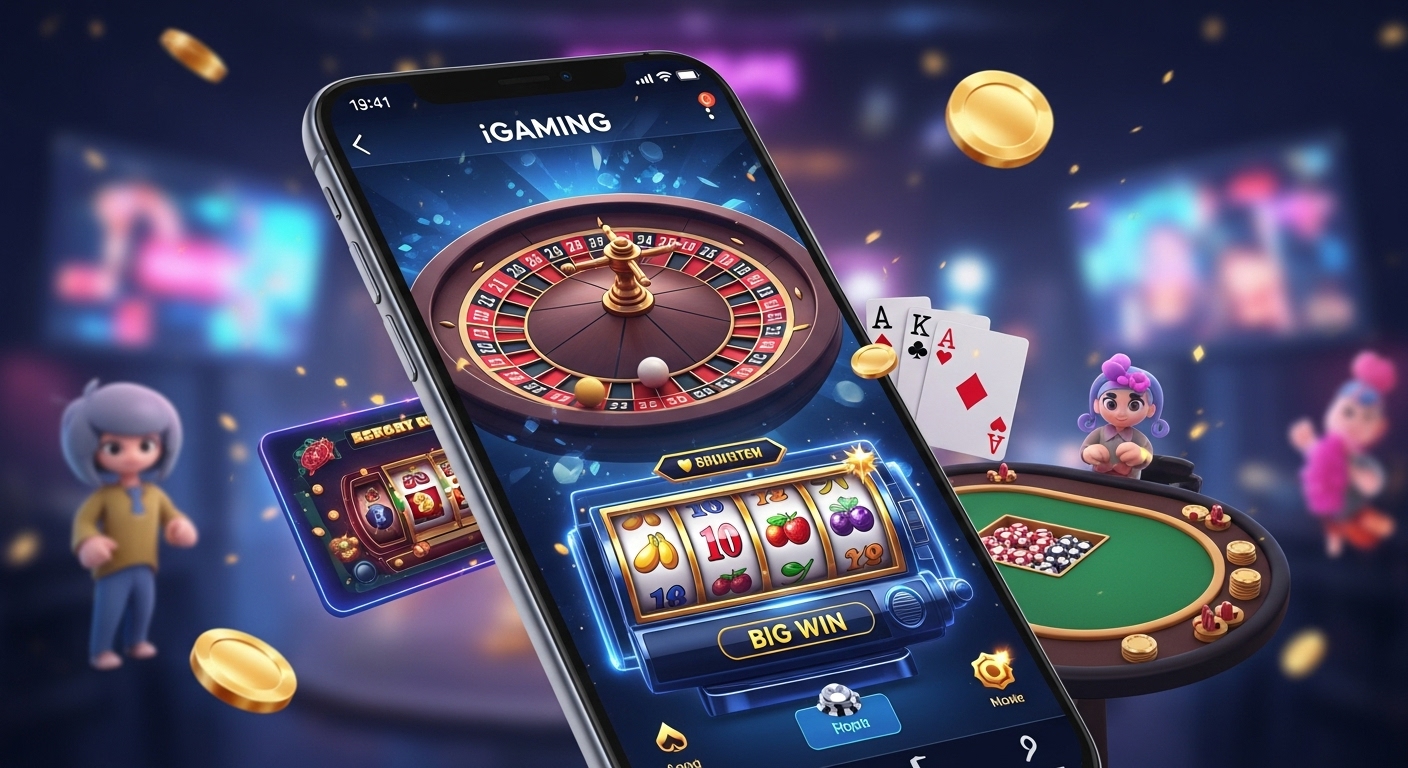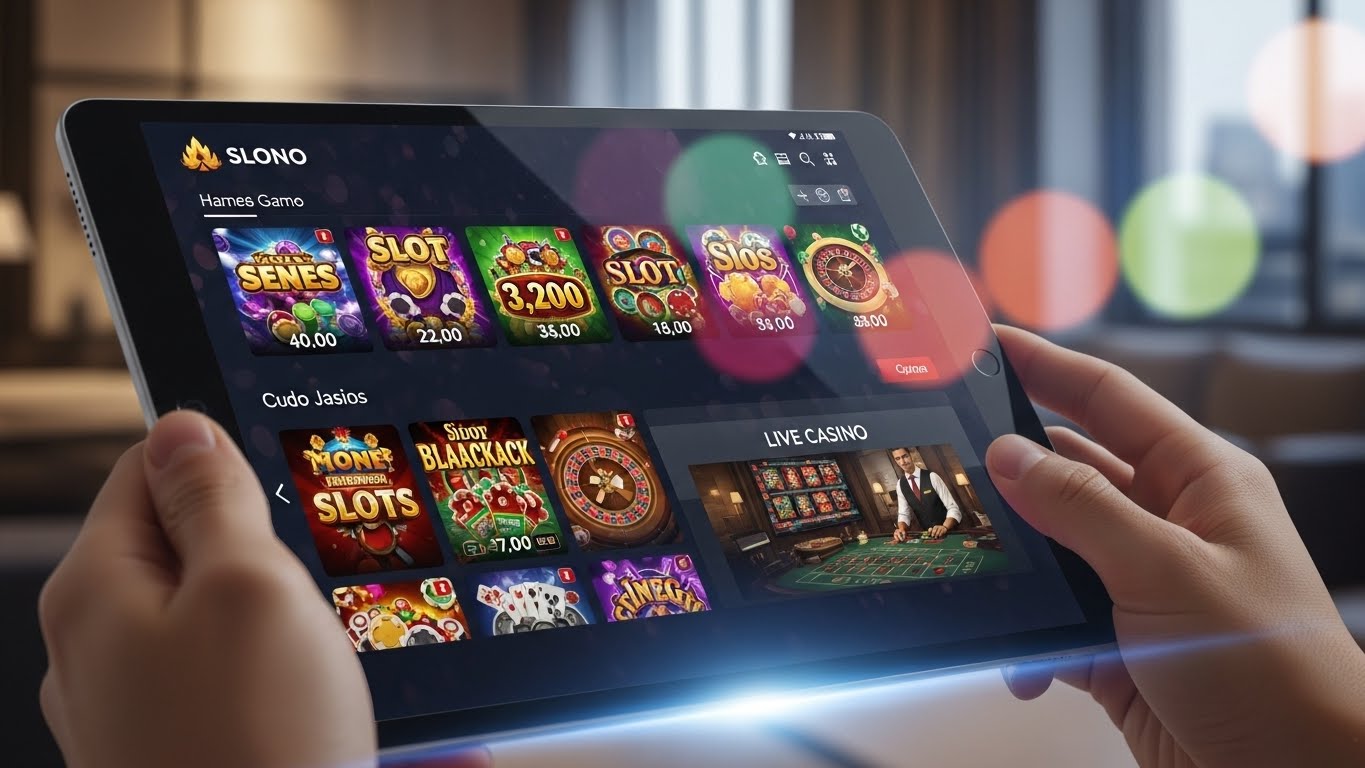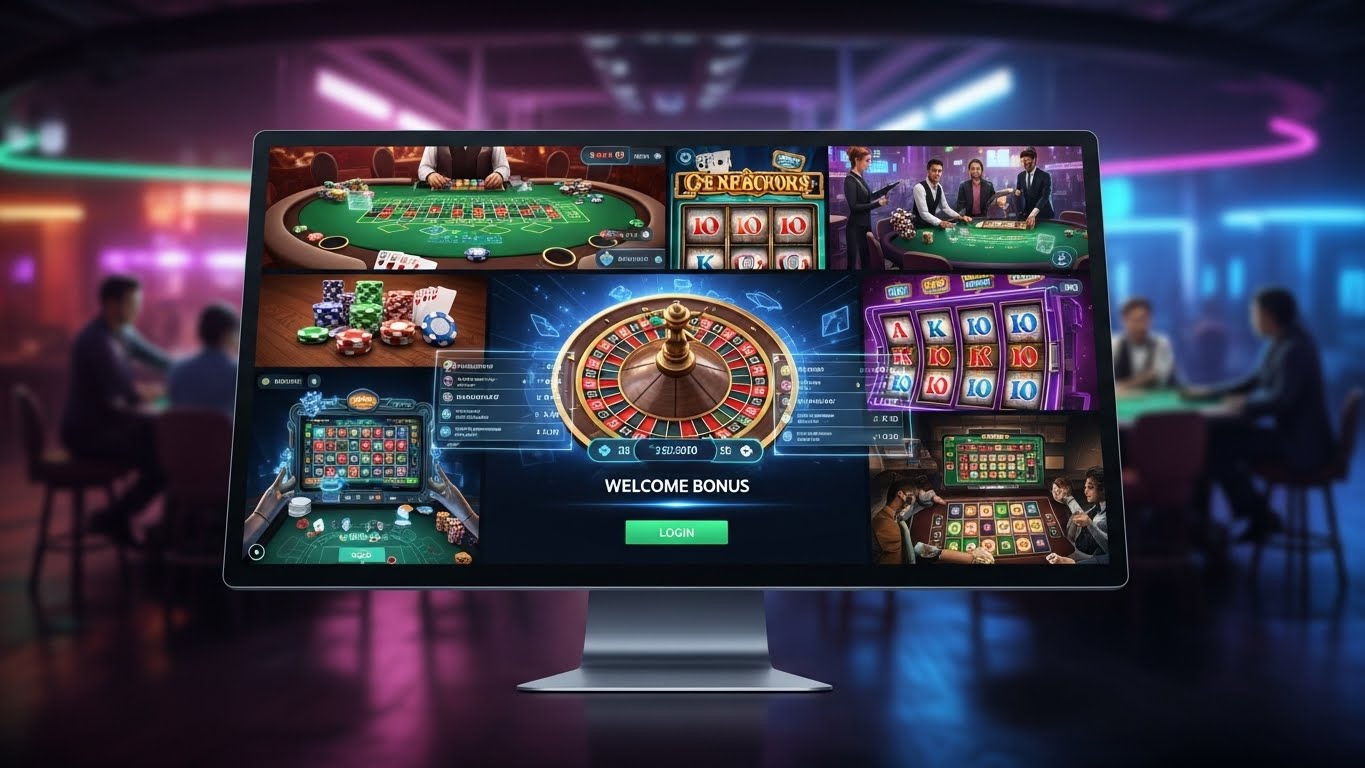







The iGaming industry has grown exponentially over the past two decades, thanks to technological advancements, increasing internet accessibility, and a global shift in attitudes towards online gambling. From online casinos to sports betting platforms, iGaming has revolutionized the way people engage with gambling entertainment. In this blog post, we will delve deep into the world of iGaming, explore its evolution, its current landscape, and examine where the industry is headed in the future.
What is iGaming?
Before we dive into the specifics, let’s define iGaming. The term “iGaming” refers to any type of online gaming that involves betting or wagering real money on games of chance, skill, or a combination of both. This broad category encompasses several different types of online gaming, including:
- Online casinos (slots, table games like blackjack, roulette, etc.)
- Sports betting (betting on sports events, virtual sports, eSports)
- Online poker (multiplayer poker games and tournaments)
- Fantasy sports (daily and season-long fantasy leagues)
- Bingo and other online lotteries
In essence, iGaming combines entertainment with the chance to win money. Its appeal lies in the convenience of being able to participate from anywhere, as long as you have an internet connection.
The Rise of iGaming: A Historical Overview
Early Days: The 1990s
The roots of iGaming can be traced back to the early days of the internet, particularly the 1990s. The world’s first online gambling site was launched in 1994, and it wasn’t long before online casinos began offering games such as blackjack and roulette. This era also saw the creation of the first online sports betting sites.
Initially, iGaming platforms were limited in their scope and functionality. Internet speeds were slow, and the lack of secure payment methods made many players hesitant to engage with online gambling. However, despite these early obstacles, the online gambling market began to gain traction.
The Growth Surge: 2000s
The early 2000s marked a period of significant growth for iGaming. Several factors contributed to this boom:
- Broadband internet adoption: As internet speeds improved, streaming games and placing bets became more seamless and accessible.
- Better software development: Software providers such as Microgaming and NetEnt developed high-quality games with advanced graphics and sound, making online casinos more immersive and engaging.
- Regulatory developments: While some countries were hesitant to legalize online gambling, others, such as Antigua and Barbuda, established frameworks that allowed operators to offer online gaming to international customers.
- Mobile gaming: With the advent of smartphones, online gaming was no longer restricted to desktop computers. Players could now access casinos, sports betting sites, and poker rooms on the go.
By the end of the 2000s, the iGaming industry had solidified its place in the global entertainment sector.
The Modern Age: 2010s to Present
The past decade has seen iGaming evolve further, thanks to continued advancements in technology and changing consumer preferences. The use of HTML5 technology enabled games to be played seamlessly across multiple devices, whether on a computer, tablet, or mobile phone. Mobile apps for iGaming became increasingly popular, allowing players to access their favorite games anytime, anywhere.
One of the most significant changes in the industry during this time has been the rise of live dealer games. Powered by real-time video streaming technology, live casinos allow players to interact with real dealers and other players, recreating the experience of being in a physical casino. This innovation has brought a new level of excitement and authenticity to online gaming.
Furthermore, cryptocurrencies like Bitcoin and Ethereum have introduced a new dimension to iGaming, providing players with greater privacy, faster transactions, and reduced fees. This shift has helped iGaming platforms cater to a new generation of players who prefer decentralized financial systems.
Key Components of the iGaming Industry
Online Casino Games
The online casino market is perhaps the most well-known and diverse segment of iGaming. Players can choose from a variety of games that simulate the experience of a traditional casino. These include:
- Slot games: Video slots, progressive jackpots, classic 3-reel slots, and more.
- Table games: Games like blackjack, roulette, baccarat, and craps.
- Live dealer games: These games, broadcast in real time, allow players to interact with live dealers and other players.
The casino industry has also seen the development of virtual reality (VR) casinos. With VR headsets, players can experience 3D casino environments, walk around virtual rooms, and engage with dealers and fellow players in a more immersive setting.
Sports Betting
Sports betting is one of the oldest forms of gambling and remains a massive part of the iGaming industry. The global sports betting market is valued in the billions, and its popularity continues to rise with the increasing accessibility of betting platforms.
Online sports betting offers fans the ability to bet on a variety of events, from traditional sports like football, basketball, and tennis, to niche markets such as esports and virtual sports. One of the key drivers behind the growth of sports betting is the rise of in-play betting, which allows users to place wagers on events while they are happening in real time.
Additionally, the rise of esports betting has attracted a younger audience, with millions of fans wagering on professional video game competitions like League of Legends, Dota 2, and Counter-Strike.
Online Poker
Online poker is another core component of the iGaming industry. Unlike casino games that rely largely on luck, poker involves skill, strategy, and psychology. This makes it particularly appealing to players who enjoy a competitive challenge.
The success of major poker tournaments such as the World Series of Poker (WSOP) has contributed to the popularity of online poker platforms, where players can participate in cash games and tournaments from the comfort of their homes.
Regulatory Environment
One of the biggest challenges for iGaming operators is navigating the complex and ever-changing regulatory landscape. Each country has its own set of rules regarding online gambling, and many governments have established regulatory bodies to oversee the industry and ensure fair play.
While some regions, such as the UK and parts of Europe, have well-established regulatory frameworks, others, like the United States, have a fragmented approach, with each state having its own laws on online gambling. Despite these challenges, regulation has helped legitimize the industry and protect players from fraud and unfair practices.
The Future of iGaming
The future of iGaming looks bright, with several emerging trends poised to shape the industry in the coming years.
1. The Rise of Artificial Intelligence (AI)
AI is expected to revolutionize iGaming in several ways. AI can be used to enhance game development, improve player personalization, and even help detect fraudulent behavior. By analyzing player data, AI algorithms can tailor promotions, game recommendations, and other aspects of the player experience. Additionally, AI-powered chatbots are becoming more common in customer service, providing instant responses to players’ questions and concerns.
2. Virtual Reality (VR) and Augmented Reality (AR)
The continued development of VR and AR technologies will likely transform how players experience online casinos and gaming platforms. VR casinos have already made a splash in the industry, and AR could be used to enhance mobile gaming by overlaying virtual elements onto the real world. This could lead to more immersive, interactive, and engaging gaming experiences.
3. Blockchain Technology and Cryptocurrencies
Blockchain technology offers a transparent, secure, and decentralized way to handle transactions in the iGaming world. Cryptocurrencies like Bitcoin and Ethereum have already made their mark in the industry, and as adoption continues to grow, we may see more platforms integrating blockchain for everything from payment processing to game fairness verification.
4. Responsible Gambling
As the industry grows, so too does the responsibility of operators to ensure player safety. Many countries are beginning to adopt more stringent measures to combat problem gambling, such as mandatory self-exclusion programs, age verification, and spending limits. With the increased awareness of gambling addiction, the iGaming industry is expected to prioritize responsible gambling practices moving forward.
5. Expansion into New Markets
iGaming is expanding into new markets at an unprecedented rate. With more countries legalizing online gambling, the potential for growth is enormous. Countries like the United States, Japan, and Canada are beginning to embrace iGaming, which will likely increase the number of operators and players in these regions.
Conclusion
The iGaming industry has come a long way since its humble beginnings in the 1990s. Today, it is a thriving global market that offers players a wide variety of gambling experiences from the comfort of their homes or on the go. As technology continues to advance, the future of iGaming looks even more exciting, with innovations like AI, VR, and blockchain set to redefine the gaming landscape. Whether you’re a seasoned gambler or a casual player, the evolution of iGaming promises to bring new opportunities and experiences for everyone.