






Introduction: The Surge of iGaming in the 21st Century
The world of gaming has undergone dramatic transformations in recent decades, and one of the most significant shifts has been the rise of iGaming. Short for internet gaming, iGaming refers to the vast array of gaming activities that take place online, including online casinos, sports betting, poker, and even virtual sports. As technology has advanced, so too has the world of iGaming, transitioning from a niche activity enjoyed by a small group of enthusiasts to a global phenomenon with billions of dollars in annual revenues.
The expansion of iGaming can be attributed to several key factors: the growth of the internet, advances in gaming technology, and the increasing popularity of mobile devices. As more people across the globe have gained access to high-speed internet and smartphones, online gaming has become more accessible than ever. Additionally, the rise of digital payment systems, cryptocurrency, and advancements in data security have made iGaming not only a popular form of entertainment but also a convenient and secure way to play games and place bets online.
This blog post explores the evolution of iGaming, its impact on entertainment and the global economy, the challenges it faces, and its promising future. We will take a deep dive into how iGaming has reshaped the gaming industry and what players and businesses can expect in the coming years.
The Birth of iGaming: From Land-Based to Online
While digital gaming has existed for decades, the concept of iGaming did not emerge until the late 1990s. The shift from land-based casinos to online platforms marked the beginning of a new era in gaming. Before this time, most gambling activities took place in physical locations such as casinos, racetracks, and sports betting shops. The introduction of the internet provided the perfect platform for an entirely new kind of gambling experience.
The first real step toward the development of iGaming took place in 1994 when the Caribbean island nation of Antigua and Barbuda passed the Free Trade & Processing Act. This law allowed companies to obtain licenses for online gaming, creating a legal framework for what would become a booming industry. In 1996, the first online casino, InterCasino, was launched, offering players the opportunity to play a variety of games, including slots and blackjack, from the comfort of their own homes.
As internet speeds increased and online security improved, more online casinos and sportsbooks began to emerge, providing a wide range of gambling options to players. In 1998, the first poker site, Planet Poker, was launched, giving rise to online poker rooms and tournaments. This paved the way for future platforms like PokerStars and 888poker, which have become household names in the iGaming community.
The Growth of iGaming: Expanding Beyond Casinos
By the early 2000s, iGaming had firmly established itself as a mainstream form of entertainment. Initially, most online gambling was focused on casino games like roulette, blackjack, and poker. However, as technology evolved and consumer demand increased, the scope of iGaming expanded to include a broader range of options, including sports betting, virtual sports, and mobile gaming.
One of the key factors that fueled this expansion was the advent of online sports betting platforms. As sports fans became more comfortable with the idea of betting online, many operators began offering sports odds on a variety of events, from football and basketball to niche sports like darts and snooker. Companies like Bet365 and William Hill became leading names in the online sports betting industry, creating a competitive market that attracted players from all corners of the globe.
In addition to traditional casino games and sports betting, the rise of virtual sports also made a significant impact on the iGaming landscape. Virtual sports, which simulate real-world sports events using computer-generated graphics, allowed players to place bets on games like football, horse racing, and greyhound racing, without the need for actual sporting events to take place. This innovation introduced a new dimension to online gambling and helped to attract a younger, more tech-savvy audience.
The Role of Mobile Gaming: iGaming on the Go
As smartphones became ubiquitous in the 2010s, the iGaming industry experienced another monumental shift. With the increasing adoption of mobile technology, players no longer had to sit at a desktop computer to enjoy their favorite casino games or place bets on sports events. The development of mobile-friendly websites and dedicated apps made it easier than ever for players to access iGaming platforms from virtually anywhere.
The shift to mobile gaming has played a critical role in the iGaming industry’s continued growth. In fact, it is estimated that mobile gaming accounts for a significant portion of global iGaming revenues, with many players preferring the convenience and portability that mobile devices offer. Mobile casinos allow players to enjoy a seamless gaming experience whether they are commuting to work, waiting in line, or relaxing at home.
In addition to offering more accessibility, mobile gaming has also driven innovation in game design. Developers have been able to create mobile-optimized versions of classic casino games like blackjack, baccarat, and slots, as well as new, interactive game formats that are unique to mobile platforms. These innovations have helped iGaming maintain its appeal, attracting new players and keeping existing ones engaged.
The Impact of Technology: Advancements in Gaming and Security
Technological advancements have played a pivotal role in the evolution of iGaming. From high-definition graphics and realistic game simulations to the implementation of cutting-edge security measures, technology has enhanced the overall gaming experience, making it more immersive and user-friendly than ever before.
One of the most notable developments in iGaming technology has been the improvement of live dealer games. Live casino games allow players to interact with real dealers in real-time, providing an experience that closely mimics the atmosphere of a land-based casino. Using webcams and live streaming technology, players can participate in games like blackjack, roulette, and baccarat, while communicating with the dealer and other players through a chat feature. This has become one of the most popular forms of online gaming, as it combines the convenience of playing from home with the social experience of a physical casino.
In addition to advancements in gameplay, online casinos and sportsbooks have also prioritized security and fairness. The use of encryption technology, such as Secure Socket Layer (SSL) encryption, ensures that players’ personal and financial information remains protected from cyber threats. Many iGaming operators also use random number generators (RNGs) to ensure the fairness and integrity of their games. Third-party auditing agencies, such as eCOGRA, regularly test these systems to ensure that they meet industry standards.
The Regulatory Landscape: Legal Challenges and Opportunities
One of the ongoing challenges facing the iGaming industry is the complex and often inconsistent regulatory landscape. While many countries have embraced online gambling and created legal frameworks to regulate the industry, others have taken a more cautious approach, with some nations outright banning iGaming activities. This patchwork of regulations can create significant challenges for both players and operators, as laws governing online gambling vary widely from one jurisdiction to another.
Despite these challenges, the global trend toward legalizing and regulating iGaming is becoming more widespread. In recent years, several major markets, including the United States, Canada, and parts of Europe, have introduced or expanded legal frameworks for online gambling. In 2018, the United States Supreme Court struck down a federal ban on sports betting, allowing individual states to regulate sports wagering. This decision opened the door for legal sports betting across the country, leading to a surge in iGaming activity.
Additionally, the rise of cryptocurrency and blockchain technology has introduced new opportunities for the iGaming industry. Cryptocurrencies like Bitcoin offer a secure and anonymous way to make deposits and withdrawals, and blockchain technology can be used to create transparent, tamper-proof records of transactions. This has the potential to revolutionize the way online gambling is conducted, providing both players and operators with new levels of security and trust.
The Future of iGaming: What’s Next for the Industry?
Looking ahead, the future of iGaming appears bright. As technology continues to evolve and more jurisdictions legalize online gambling, the industry is poised to continue its rapid growth. Several key trends are likely to shape the future of iGaming in the coming years.
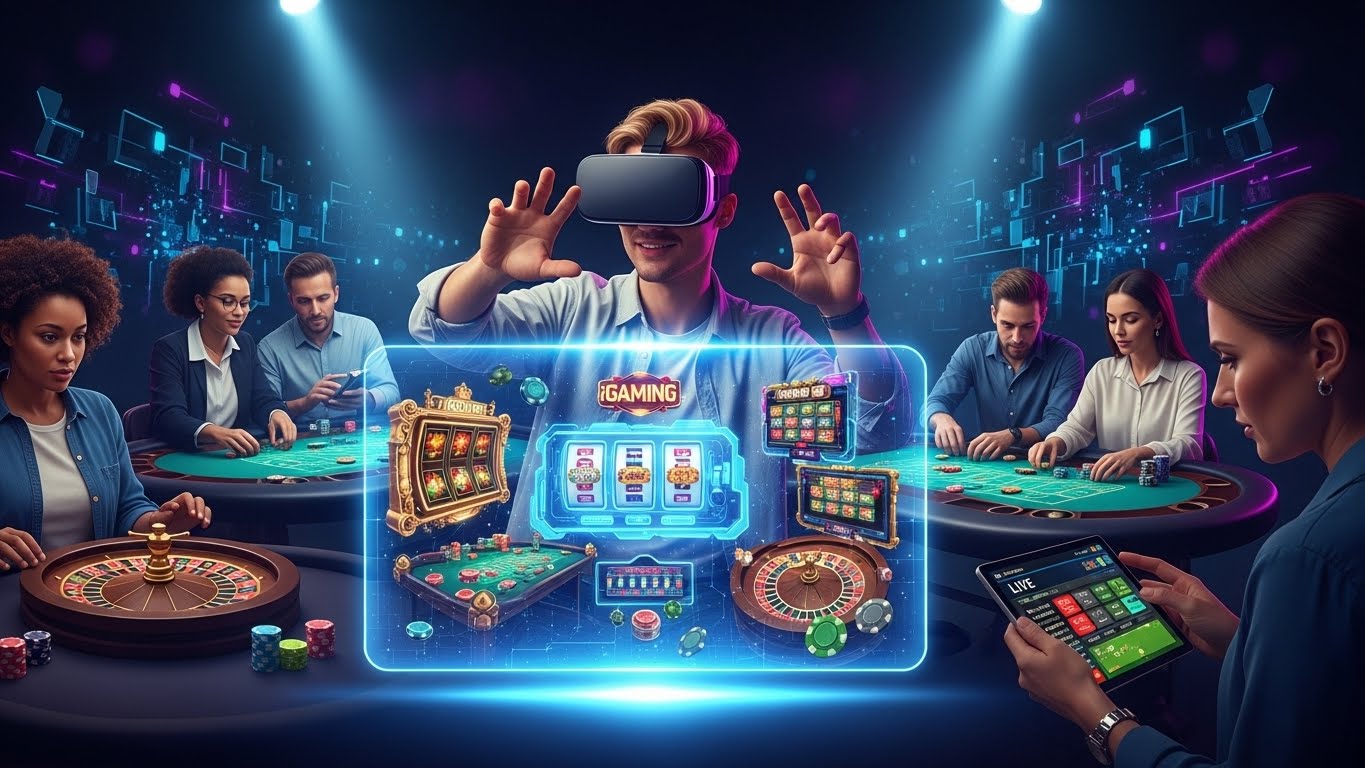
One of the most exciting developments is the potential for virtual reality (VR) and augmented reality (AR) technologies to enhance the gaming experience. VR casinos could allow players to step into fully immersive, 3D environments, where they can interact with other players and dealers as though they were in a physical casino. Similarly, AR could be used to overlay digital elements on the real world, creating unique, interactive gaming experiences.
Additionally, as the demand for mobile gaming continues to rise, developers will likely focus on creating even more innovative and engaging experiences for mobile users. From gamified betting options to multiplayer, social casino games, the possibilities for mobile iGaming are virtually endless.
Conclusion: iGaming’s Enduring Appeal and Potential
iGaming has come a long way since its humble beginnings in the mid-1990s. Today, it stands as one of the most rapidly growing sectors of the global entertainment industry, with millions of players participating in online casinos, sports betting, and poker games. The convenience, accessibility, and variety of options available to players have helped to cement iGaming’s position as a key player in the digital entertainment space.
As technology continues to advance and more regions embrace online gambling, iGaming’s future is filled with exciting possibilities. With innovations in mobile gaming, live casinos, and virtual reality, the iGaming industry is poised for even greater growth in the coming years. As the sector matures and regulatory frameworks become more established, it will undoubtedly continue to attract millions of players and reshape the landscape of digital entertainment.